
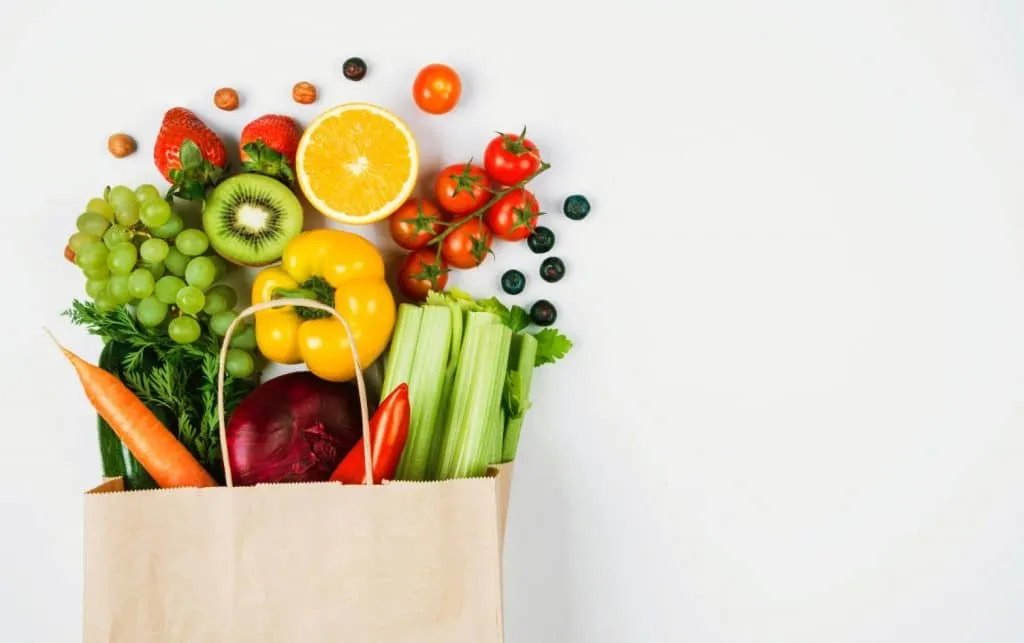
The dollar is not what it used to be – this is especially true in the grocery store.
We have seen significant increases in global food prices in recent years. In 2023, there was a 6.9% increase in food spending in US households, compared to a 12.7% increase in spending in 2022.
But just because the prices in the aisles are high doesn’t mean you have to stop adding healthy choices to your shopping cart. For example, by buying in bulk or buying in-season items, you can squeeze a penny (or dollar) without sacrificing your health and well-being.
As a registered dietitian with MyFitnessPal, I want to make sure that people, regardless of their budget, can have a balanced, healthy diet. So for members who want to continue eating healthy while trimming their grocery bills, here are 10 tips to keep costs down at the grocery store.
PLAN AHEAD
In the United States, an estimated 30 to 40% of the food supply is wasted. With the average household in 2023 spending around $9985 annually on food, this means anywhere from $2995 – $3994 could go straight into the bin.
When you go to the grocery store, you need a plan. If you’re shopping on a weekly basis, you need to know what meals and snacks you want to eat in the coming week and what ingredients you’ll need to make them.
Don’t deviate! Fruits, vegetables, proteins and whole grains are a must, so make sure they top your shopping list every time you go. Once you’ve secured the must-haves, fill out the rest of your list with nice-to-have items or pantry staples that you know you’ll use before they expire.
MEAL PREPARATION IS A MUST
By batch-preparing your meals for the week, you ensure that the food is not left unprepared in the fridge or pantry (then thrown away). Food not wasted = money not wasted.
For smoothies, place the ingredients in a freezer-safe container so they’re ready to blend (looking at you, bananas and berries). Sandwiches, wraps and burritos can be frozen and thawed for easy eating. And preparing a whole grain at the beginning of the week and adding it to your salads, soups or grain bowls is cost-effective and time-saving.
DON’T HOLD BACK WITH COUPONS AND PRESERVATION PROGRAMS
Grocery stores love to have you as a customer. So much so that they encourage you to come back through rewards programs and memberships that offer discounts and savings on things you already shop for. Make sure you’ve signed up for these!
And here’s an oldie but a good tip: Check your grocer’s weekly ad for weekly discounts. Seasonal produce and holiday-themed food items (such as barbecue during the 4th of July holiday) are often on sale to ensure excess inventory is purchased.
Want to keep things digital? There are tons of apps that can help you earn cashback and savings at the grocery store.
GO GENERIC
Store brands often have similar ingredients and nutritional value to their brand name counterparts. Perhaps most importantly, they save you money at the checkout.
Try swapping out name brand sauces, beans, pastas and oils. You might not notice the difference!
DON’T STRESS ABOUT ORGANIC
When budget is one of your priorities, focus on your diet more holistically. Are you getting enough fruit, vegetables and protein every single day? Answering this question with a resounding “yes,” even if it’s with conventionally grown produce and meat, is better for you than going without.
Whatever types of produce you choose, conventional or organic, be sure to wash and scrub under running water before enjoying to remove dirt and reduce bacteria.
CHECK OUT THE FREEZER Aisle FOR LOWER PRICES
Frozen fruits and vegetables can bring cost savings and help reduce food waste, especially for products that are out of season (especially useful in the winter months).
Since it is picked and frozen at maximum ripeness, frozen produce has the same nutritional value as its fresh counterparts. Plus, it doesn’t end up being forgotten and rotten.
And while I can’t say what it is, something about frozen fruit just hits differently in a smoothie, yogurt, or cobbler.
TURN TO TUNA FOR ESSENTIAL OMEGA-3
The benefits of omega-3 are significant – getting enough of the fatty acid supports your cardiovascular health and can lower blood pressure and your risk of developing dementia.
The most direct and effective way to get omega-3 is from fish, and canned tuna is a budget-friendly way to get this essential fatty acid into your diet. And it also has a long shelf life, meaning on days when cooking goes out the window, canned tuna can be used in a pinch.
Here’s a quick guide on how to navigate the many options for canned tuna in the store.
CHOOSE COST-EFFECTIVE PROTEINS
Meat, poultry and fish are animal protein sources that you can choose to incorporate into your diet. Consider planning meals around sales on animal protein sources or buying in bulk and freezing to stay within your budget.
If you’re interested in adding more plant-based protein sources to your meals while keeping the budget in mind, try adding some bean and lentil dishes to the mix. Shelf-stable canned or dried beans and lentils can add protein, fiber and important micronutrients to your meals while being a cost-effective source of protein.
Peanut butter, yogurt, and milk also provide protein (and are an easy option to add to any protein-packed smoothie).
Here are some other protein-rich recipes to try (along with the amount of protein in each dish):
- Lentil burgers with tzatziki sauce (27g)
- Quick Black Bean Chili over Lime Couscous (20g)
- Flat pan tofu and vegetables in sesame sauce (18g)
- Peanut Butter & Fruit Overnight Oats (16.2 g)
- Ragout with tomato and white beans with toast (16g)
- Barley bowl with white beans (12 g)
PIDER THINGS WITH SOME FLAVORS
New recipes may call for unique spices and ingredients, but in an effort to cut costs, look for the essentials for your seasoning needs.
Salt, pepper, garlic powder and paprika go a long way on chicken and fish. Chili powder and paprika are great in chili and stews, and garlic and ginger powder brighten homemade curries. And don’t forget lemons and limes—these vibrant fruits are inexpensive and the perfect finisher for salads, meats, poultry, fish, and more.
GET CREATIVE WITH LEFTOVERS
Even with careful meal planning, you may find yourself with leftovers. But don’t throw these bits away! These odds and ends—a variety of vegetables here, a portion of a protein there—can be reused for another meal.
Vegetable ends and skins as well as bones from meat can be frozen and finally boiled down to a broth. Extra grains, proteins or vegetables on your plate at the end of the meal can help you make a grain bowl, wok or sandwich. Or, as we’ve said before, lay an egg on it.
Do you have other tips or advice for staying healthy on a budget? Participate in conversation in the MyFitnessPal forum!
Originally published June 2022
The post 10 Budget-Friendly Ways to Eat Healthy appeared first on MyFitnessPal Blog.