

Every January brings a wave of nutrition predictions—some backed by science, others fueled by social media hype. So how do you know which trends are actually worth your attention?
We asked MyFitnessPal’s team of registered dietitians to share their insider take on what’s coming in 2026. They’re the experts who review food data, analyze nutrition research, and see firsthand what resonates with real people trying to eat better. Here’s what they predict — and what they’d skip.
You also like
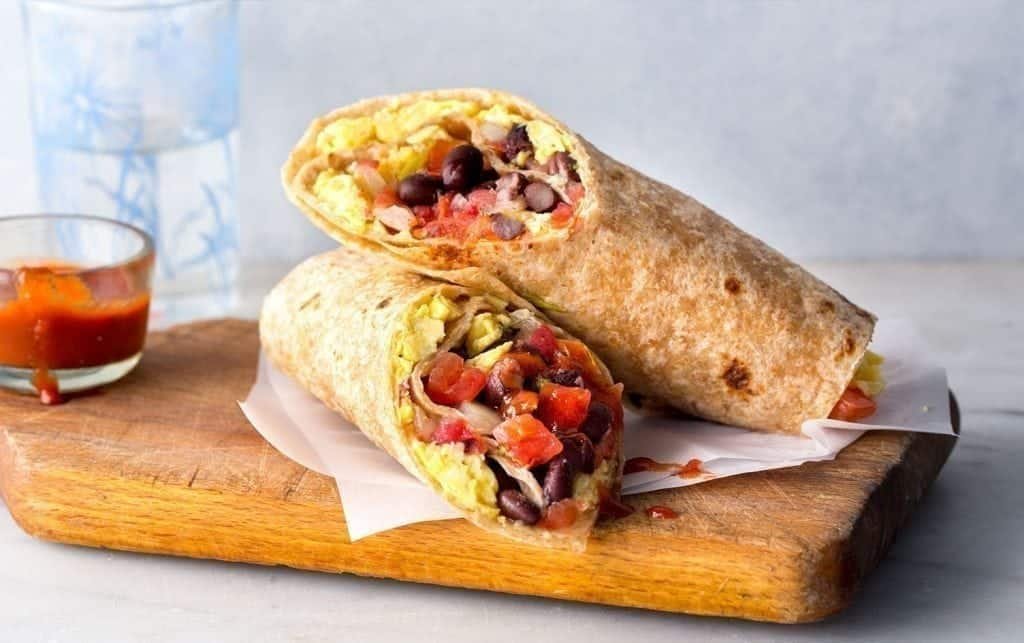
What is Fibermaxxing? A dietitian explains this fiber trend
Best and worst trends in 2025
Before we look ahead, let’s acknowledge what 2025 got right and wrong.
The best: Fibermaxxing
The clear winner among our dietitians? The rise of fiber awareness. “I’m a firm believer that fiber is your friend, and any opportunity to highlight this important nutrient that many of us don’t get enough of is key,” says Melissa Jaeger, RD, LD, MyFitnessPal’s Head of Nutrition. Stephanie Saletta, Senior Lead Nutrition Scientist, agrees: “We love to see fiber get the love and attention it deserves!”
The caveat? Both experts emphasize going slowly. Increasing fiber too quickly can cause bloating and discomfort, so gradual increases (plus plenty of water) are key. (1)
A smarter focus on protein
Several dietitians also praised the increased attention to protein, especially to preserve muscle mass. “With the rise of weight loss medications, protein has been in the spotlight with a focus on preserving muscle mass in a caloric deficit,” notes Joanna Gregg, MS, RD, Food Data Curator. Lauren Cuda, MS, RD, CSP, LD, adds that “a smarter focus on protein” that includes balance with quality carbohydrates and healthy fats was one of the best developments of the year. (2)
The worst: Dirty soda, dry-scooping and extreme diets
Not everything that trended deserved attention. Jaeger calls dirty soda — soda mixed with syrups and whipped cream — a trend that “can add up to a lot of calories very quickly,” while packing added sugars and fats we should limit.
And then there’s “dry scooping,” the practice of consuming protein powder directly in its dry form—literally scooping it into your mouth and swallowing it without mixing it with water or other liquid first. Saletta marks dry-scooping as “unpleasant and unnecessary.”
Meanwhile, Gregg points to the carnivorous diet as “not sustainable and lacking in fiber and many other important nutrients.” Cuda adds that using beef tallow, another ingredient popular on social media, as an everyday cooking fat is problematic because of its high saturated fat content.
You also like
8 food and nutrition trends for 2025, predicted by the experts
Trends that will define 2026
Based on our dietitians’ predictions, here are the nutrition trends most likely to shape the coming year.
Fiber is at the center
The dietitians predict that fiber will be a big focus in 2026. “I believe that fiber is becoming the new protein and will emerge as a broader trend,” says Jaeger. Saletta expects to see “fiber find its way into more products, such as beverages, snacks and frozen meals” along with “more viral recipes and hacks to get more fiber through fruits, vegetables, beans, oats and seeds.”
Cuda envisions both “more fiber-enriched options and convenient, food-first strategies (beans, vegetables, whole grains, nuts and seeds) aimed at better digestion, satiety and metabolic health.” The connection to gut health research is driving this interest. As scientists learn more about the gut-brain axis, consumers are becoming increasingly curious about how fiber affects more than just digestion. (3)
Protein stays strong (with a plant-based twist)
Protein isn’t going anywhere. “The protein obsession is likely to live on,” says Jaeger, pointing to the continued rise of GLP-1 drugs and the proliferation of protein-enhanced products from coffee supplements to protein pretzels and popcorn.
But expect a shift in the sources. Jaeger predicts “a greater emphasis on plant-based protein sources such as beans,” driven in part by rising animal protein prices.
Saletta hopes 2026 brings a focus on balance: “Yes protein, but also the right amount of protein along with all the other important nutrients and foods we need.” Gregg emphasizes that the focus should remain on whole food sources: “Think lean meats, low-fat dairy, nuts and legumes as opposed to protein chips and bars.”
GLP-1 drugs shape food choices
The influence of GLP-1 weight loss drugs on eating patterns is impossible to ignore. Several dietitians note that these medications are driving the demand for higher protein meals and smaller portions.
Cuda predicts “a wave of ‘GLP-1 friendly’ foods being marketed to customers using these medications,” but cautions that “this term is not standardized.” Her advice: develop label literacy and consider working with a registered dietitian to interpret these claims for your individual needs.
Saletta adds that we’ll see continued interest in protein and fiber “especially as more people try GLP-1s (and come off them and want to maintain their progress).”
Beans and budget-friendly eating
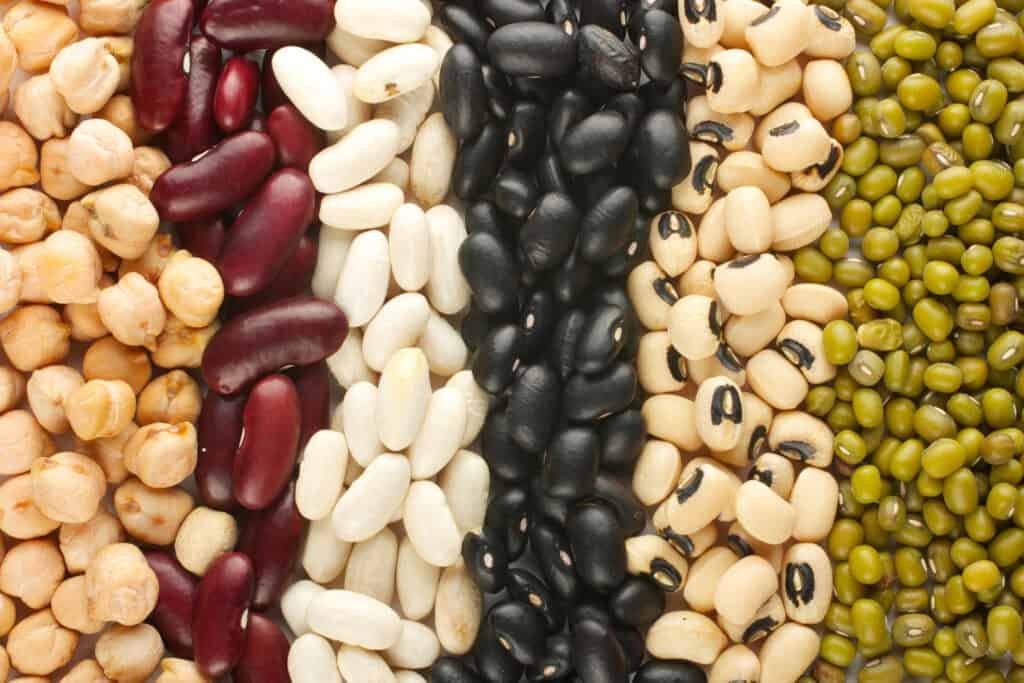
With food costs rising globally, budget-conscious protein sources are having a moment. “Beans may have an extra special moment for costing less than other protein/fiber options,” predicts Saletta.
Jaeger agrees that beans are a standout: “Not only are beans a cost-effective source of protein as we continue to see the price of animal-based protein sources rise at the grocery store, but they also contain fiber and valuable nutrients that offer many health benefits.” (4)
This is consistent with a wider interest in canned and shelf-stable foods. Gregg notes that while the obsession with canned fish may disappear, “the focus on using canned and processed foods (think canned beans and high-protein dairy products) as part of a healthy diet will remain.”
Personal nutrition is becoming mainstream
More dietitians predict that personalized nutrition will continue to expand. “From food logging to wearables and AI advances, consumers have access to tools that can shed significant light on their current habits,” says Jaeger. “Unlocking insights into their own diet by leveraging these tools will be key to supporting the development of their personalized nutrition plan.”
Gregg agrees. “With the rise of AI, I think personal nutrition assisted by AI is likely to emerge as a trend soon,” she says.
Creatine Beyond the Gym
An under-the-radar trend to watch: Creatine supplementation is moving beyond athletes. “I’m curious to see how creatine evolves beyond athletes and reaches more general consumers,” Jaeger says, “especially because of recently published research that’s causing a buzz in the media.” Gregg also marks creatine as a supplement that “could become popular or trendy in the general population.”
Other trends worth watching
A few additional predictions from our team:
“Girl Dinners” evolves: Jaeger hopes this snack plate concept will grow beyond its current form to include “more balanced combinations that focus on key nutrients like protein and fiber, while reducing items higher in saturated fat and salt.”
Bold taste lingers: Jaeger predicts “swicy” (sweet and spicy) and other bold flavor combinations are “here to stay,” evolving beyond hot honey as people experiment with home cooking to save money.
Ingredient transparency: Saletta expects “a push for more transparency about what ingredients are in packaged foods and whether those ingredients help or harm our health.”
Bottom line
If there’s a theme that runs through these predictions, it’s balance. Fiber is rising to meet the popularity of protein. Plant-based options are growing alongside animal proteins. Personalized approaches replace one-size-fits-all advice.
Dietitians’ overall advice for 2026? Focus on whole foods, prioritize both protein and fiber, be skeptical of unregulated label claims, and use the tools at your disposal—whether it’s food logging, wearables, or working with a registered dietitian—to find what works for your body and your goals.
As Saletta puts it, the hope for 2026 is that we all become “obsessed with balance.”
The post 2026 Nutrition Trends: What Registered Dietitians Want You to Know appeared first on the MyFitnessPal Blog.