

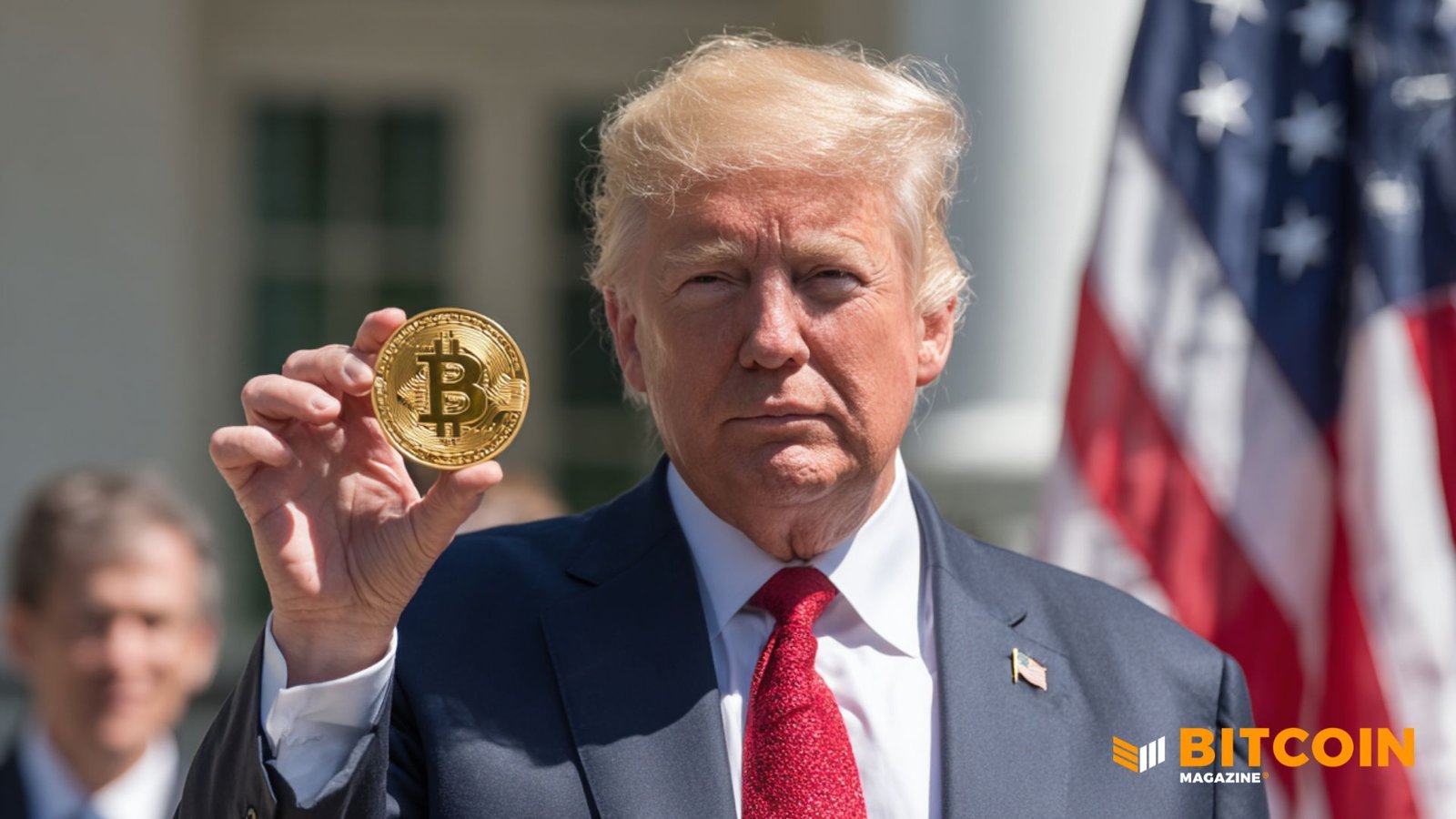
Cathie Wood is betting that politics, not just markets, could be the catalyst that pushes the US to actively buy bitcoin.
The ARK Invest founder said this week that cryptocurrency has become an enduring political issue for President Donald Trump that could shape policy decisions as the White House looks ahead to the 2026 midterm elections.
In Wood’s view, this dynamic increases the chances that the federal government will eventually move beyond holding seized BTC and begin buying BTC directly for a national strategic reserve.
Crypto was “part of the reason he won the presidency,” Wood said on a recent episode of ARK’s Bitcoin brainstorming podcast. With the midterms looming, she argued, Trump has incentives to contain the industry and deliver visible progress.
“The main one is that he doesn’t want to be a lame duck. He wants another productive year or two, and I think he sees crypto as a path to the future,” Wood said.
The U.S. BTC reserve was created by executive order less than a week into Trump’s second term, along with a broader inventory of digital assets and a new interagency task force led by Special Advisor for AI and Crypto David Sacks.
So far, however, the reserve has only been activated with bitcoin seized through criminal forfeitures — assets Trump has vowed not to sell.
“It appears that there has been reluctance to actually buy bitcoin for the strategic reserve,” Wood said. “So far it has been confiscated [bitcoin].” That stance, she suggested, might not hold. “The original intent was to own a million bitcoins, so I actually think they’re going to start buying.”
Crypto has emerged as a more organized political constituency over the past election cycle. Industry-backed political action committees poured money into congressional races, while prominent executives publicly endorsed Trump and in some cases donated personally. Wood himself was among these supporters.
The administration has also placed emphasis on signaling commitment to the sector. The White House has hosted crypto-related events, and firms including Coinbase, Tether, and Ripple are among those contributing to the construction of a new White House ballroom.
Bitcoin as a ‘scarce value’
On the political front, Trump has signed orders establishing the bitcoin reserve and cryptostorage and supported legislative efforts such as the GENIUS Act, which would formalize stablecoin regulations.
A July report by Sacks’ task force made additional recommendations, including giving the Commodity Futures Trading Commission authority over spot markets for non-security digital assets. It reaffirmed that the bitcoin reserve and crypto-storage would be managed by the Treasury and, at least initially, funded with forfeited assets. The order also directed the Treasury and Commerce departments to explore “budget neutral” ways to acquire additional bitcoin.
Wood sees that limitation as the most important obstacle, but not an insurmountable one. She framed potential government purchases as a market pivot, especially as bitcoin’s supply tightens. Almost 20 million of bitcoin’s 21 million cap has already been mined.
“If we get the US to not just add confiscated bitcoin to a strategic reserve, but actually buy out there,” Wood said, “that will set in motion what we’re all waiting for — the scarcity value to reinvent itself.”