


Have you ever finished a meal only to find yourself reaching for a snack not long after? You are definitely not alone. Sometimes the question is not how much you ate, but whether your meal left you feeling truly satisfied, both physically and mentally.
The good news? Staying full for longer doesn’t require an expensive subscription or a major lifestyle overhaul. By choosing the right kinds of foods, such as those rich in protein, fiber, healthy fats, and even water, you can support satiety, stay hydrated, and keep hunger at bay. Read on to discover 10 satisfying foods you can add to your regular meal rotation.

You also like
5 Signs You’re Not Eating Enough Fiber
What makes food filling?
Have you ever heard of nutrient density? This is a term used to describe the balance of nutrients present in a food that contributes not only to the overall quality of the diet, but also to how full or full you feel after eating (1,2). Nutrient-dense foods are usually higher in nutrients but lower in total calories (1, When you’re satisfied and full after a meal, you’re less likely to reach for the cookie tin a few minutes later, which means eating more (and the right kind of food) at mealtimes can actually help lower your overall calorie intake for the day. The catch? You have to eat the right kind of food.
For example, foods that contain a mix of complex carbohydrates like dietary fiber, lean protein, and healthy fats offer a high level of nutrient density, meaning you get more “nutritional” bang with every bite (3). These key nutrient superstars work together to help people feel fuller for longer (4).
But the nutrient density of a food (or meal) is not the only factor that affects intake and, in turn, your satiety. Food structure, processing, portion size and variety have also been shown to play a role (3,5). With this in mind, let’s dive into the 10 foods that our dietitians agree are solid additions to a regular diet if you want to feel satisfied and full at your next meal.
10 Most Satisfying Foods to Keep You Full
1. Eggs
One large egg contains 6 grams of high-quality protein and over 10 vitamins and minerals, making them a welcome addition to your regular routine (6,7). Given the protein content of eggs, when eaten as part of a high-protein diet, they may contribute to satiety (8). And depending on the type of feed the chickens are fed, some eggs also provide heart-healthy omega-3 fats.
Don’t worry if you enjoy an egg daily. The American Heart Association suggests that it can fit into a heart-healthy diet when enjoyed in moderation (9). The key is to pair your eggs with other nutrient-dense foods to reap the full package to aid satiety. Here are a few of our MyFitnessPal reader favorite recipes to get you thinking outside the box:
- Low & Slow Spring Onion Frittata
- Huevos Rancheros nest
- Fried Egg & Avocado Breakfast Bowls
2. Potatoes
Long gone are the days of worrying about the carb content of spuds. Potatoes are not only delicious, they are also nutritious! With only 130 calories and 4 grams of fiber in a small potato (about 2-inches in diameter), potatoes are a filling addition to your meal (10). Plus, they also pack potassium, an important mineral and electrolyte that helps keep your fluid levels balanced in the body (10,11).
Choose baked, boiled or roasted potatoes over fried alternatives to keep the calories in check and the nutrient density in the spud front and center. Pair them with a lean protein and vegetables to create a well-rounded, balanced meal.
3. Lean meat
Lean meats like chicken breast, turkey chops, salmon fillets or even pork chops are wonderful additions to a balanced diet. These protein-rich foods help support your fullness factor (8). This means that when you combine your meals with lean meats, high-fiber carbohydrates and healthy fats, you’ll be fuller for longer.
Some of MyFitnessPal users’ favorite combinations include:
- Lemony chicken skewers with squash salad
- Cold Thai noodle salad with shrimp and chicken
- Easy Turkey and White Bean Chili
4. Greek yogurt
One serving (7 ounces) of plain, low-fat, unsweetened Greek yogurt contains just 150 calories and a whopping 20 grams of complete protein (12). While lactose, a natural sugar, is present in dairy products, there is no added sugar when you choose the regular version. This not only supports a healthy eating pattern, but also opens the door to a blank canvas where you can flavor your yogurt in any way that excites your taste buds.
For example, fancy something spicy? Mix it up with the side dishes in this classic chicken salad with a healthier twist! Or stick to a naturally sweetened breakfast or snack option that packs a powerful punch of protein by pairing it with fruit and nuts in a Berry Parfait.

You also like
Yoghurt Walk decoder: Greek vs. Regular vs. Cloudy
5. Cottage cheese
This trendy fridge has been making waves with MyFitnessPal users, with previous survey data showing that MyFitnessPal users worldwide logged nearly 7 million pounds of cottage cheese in just the first 6 months of 2024. And there’s a reason for that: it’s a protein powerhouse that works well at all times of the day. In a ½ cup serving, there are 14 grams of quality protein for only 80 calories (13).
And cottage cheese is versatile. From a sweet treat like a high-protein cottage cheese Cookie Dough Dip to a tasty protein-packed Cottage Cheese Queso Dip, there’s something for everyone when you open up the possibilities with this dairy product.

You also like
3 surprising cottage cheese perks (in addition to all the protein)
6. Nuts and seeds
Nuts and seeds remain a heart-healthy food for nutritional reasons: they not only pack healthy fats, but are also a source of protein and fiber (14). Remember, this trifecta of nutrients work together to promote fullness (3).
But portion size does matter. These foods are tiny but mighty, which means that depending on how big your hand is, you can easily go overboard on the calorie density of these foods. For reference, a 1-ounce serving size offers 170 calories, 6 grams of protein and 3 grams of fiber, but a 1-cup serving has 860 calories (14). The point is: aim wisely.

You also like
How to calculate and control portion sizes
7. Whole grains
Carbohydrates include both simple and complex options, with the latter being the more nutrient dense. Whole grains fit the bill in this category, offering not only dietary fiber, but also protein, vitamins and minerals, and even antioxidants (15). Their nutrient composition helps promote satiety when you regularly include them in your diet.
Some of our favorite options include quinoa, bulgur, amaranth, oats, whole grain bread, and polenta. The wide range of options in the whole grain category lends itself to making wonderfully varied meals morning, noon and evening. Plus, pairing them with a protein and healthy fat helps increase satiety and keep you fuller for longer.
Do you need inspiration? Try our MyFitnessPal favorite Veggie-Packed Baked Ziti with your whole-wheat pasta tonight.
8. Legumes and beans
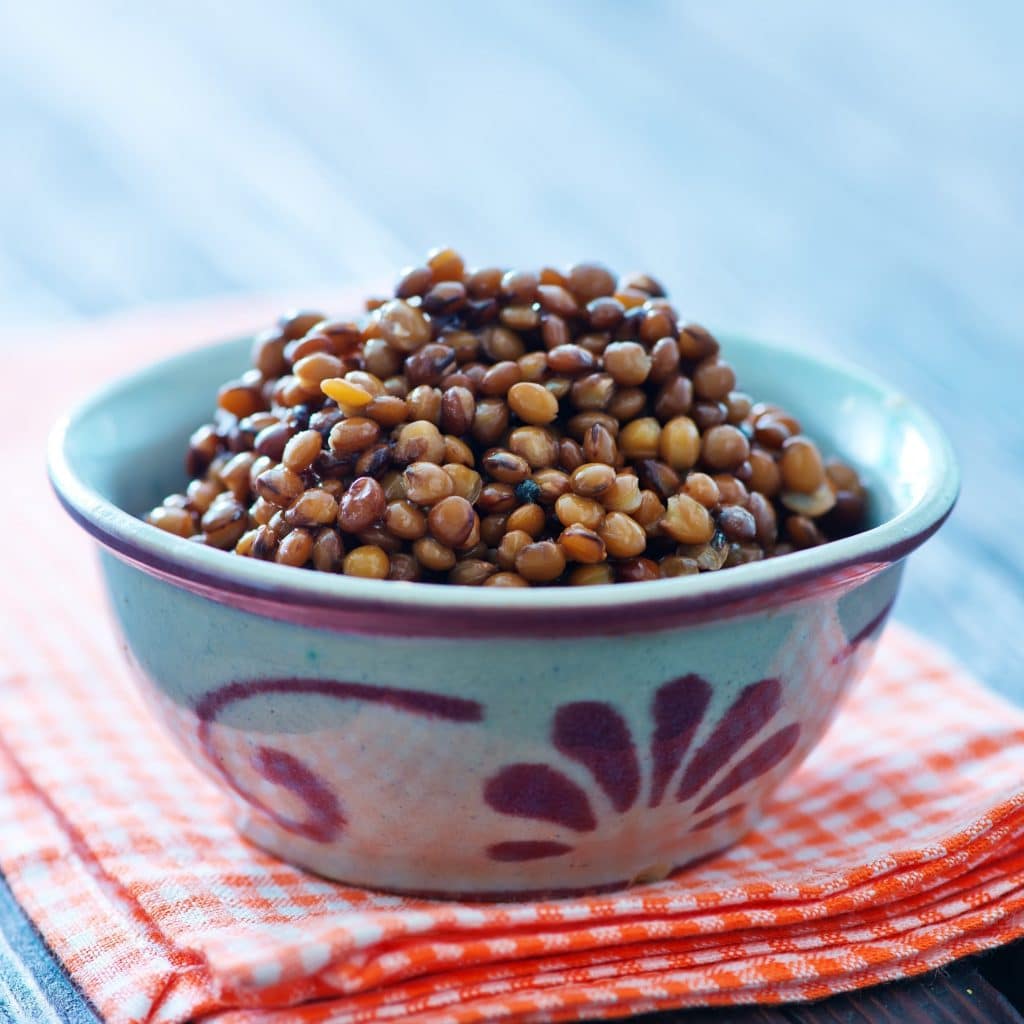
The pulse family, including lentils, chickpeas, black beans, and your other favorite beans work well when it comes to filling you up at meals and snacks. Legumes and beans not only pack fiber, but are also considered a source of plant protein (16). This means you get a dynamic duo that helps increase satiety when you enjoy them in your diet.
If you’re pressed for time, just open a can, rinse under cold running water and add them to your salad or grain bowl for a quick and easy meal option.
You also like
Beans and Lentils for Beginners: A Beginner’s Guide to Using Legumes for Affordable Protein and Fiber
9. Fruits and Vegetables
There’s a reason why fruits and vegetables top the list of almost every healthy, balanced diet plan out there. They are packed with important nutrients such as fiber, vitamins, minerals and antioxidants that contribute to a healthy lifestyle (17). Plus, some produce, like watermelon, has a high water content of around 90%, meaning you’re also hydrating when you taste these foods (18).
Because fruits and vegetables lack significant amounts of protein, it’s important to pair them with a lean protein and/or healthy fat source to extend their staying power in the body. Fiber-rich fruits, like raspberries, work well with dairy products, like cottage cheese, for a delicious and nutritious snack option.
Pro tip: Microwave a cup of frozen raspberries and top with whatever dairy you like. The natural sweetness of raspberries offers a delightful sweetness, while the shelf-stable range of frozen fruits (and vegetables) locks in their freshness and nutrition, making them available and affordable year-round.
10. Healthy fats
Last but not least, healthy fats play an important role in the satiety equation. Because fat is digested more slowly, including it in meals can help you feel fuller for longer. (3) That said, the type of fat you choose matters, especially for overall health. Aim to prioritize sources rich in unsaturated fats while limiting saturated fats (19).
MyFitnessPal dietitian Joanna Gregg advises, “Focus on healthy fats from foods like avocados, olive oil, and seafood like salmon. Use nuts and seeds as toppings, think of them as a ‘crouton’ for meals and snacks, to add flavor and bonus nutrients that contribute to satiety while keeping calories in check.”

You also like
MyFitnessPal Guide: Dietary Fat Edition
Bottom line
Feeling hungry soon after eating doesn’t always mean you need more food, it may mean you need more satisfying food. Building meals around nutrient-dense choices that combine protein, high-fiber carbohydrates, healthy fats, and foods with high water content can help you feel fuller longer, support stable energy levels, and reduce the urge to snack mindlessly.
The best part? You don’t need a complicated plan to make this work. Small, strategic tweaks like pairing fruit with yogurt, adding beans to salads, or topping meals with healthy fats can make a meaningful difference in how satisfied you feel throughout the day. By focusing on balance rather than restriction, you can create meals that are both nutritious and enjoyable. Get started today with MyFitnessPal to help plan and track your meals, taking the guesswork out of it. What’s for dinner!
The post Top 10 Foods to Make You Feel Full and Satisfied appeared first on MyFitnessPal Blog.