
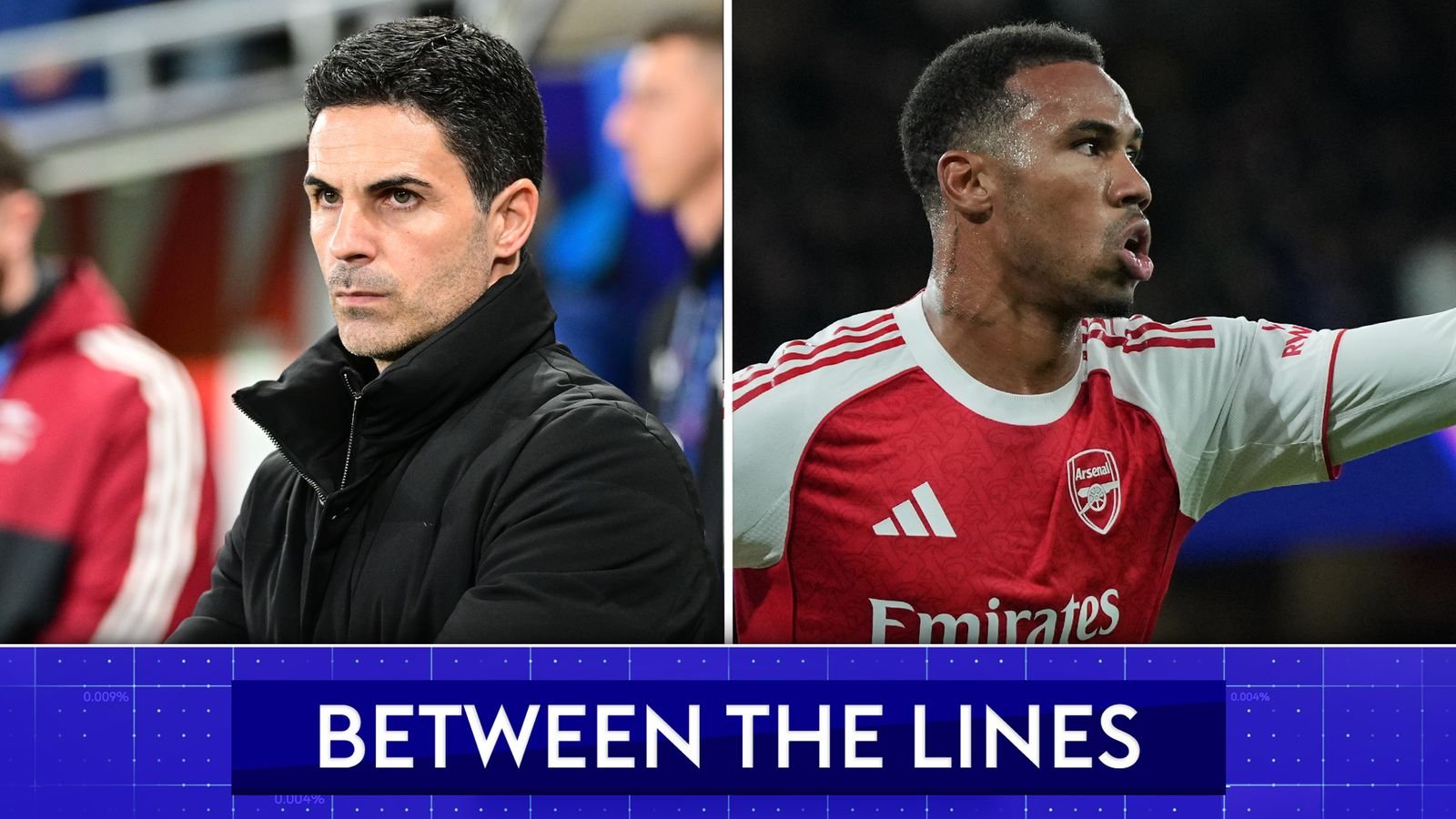
The manner in which Arsenal’s defeat to Aston Villa was sealed with the last kick of the game at Villa Park made it all the more painful for Mikel Arteta’s side. Manchester City’s subsequent win over Sunderland only added to the anxiety among fans.
Their lead is down to two points. Man City have, as Arsenal well know, closed much bigger gaps. But it’s still a trace. Arsenal are still looking down from the summit of the Premier League, just as they are in the Champions League, with five wins from five so far.
The wider context of their season is that they have won 17 games out of 22, drawn three and lost just two. The defeat to in-form Aston Villa came after an 18-match unbeaten run, the joint longest of any side in Europe’s major leagues this term.
It is less than two weeks since Arsenal ended the unbeaten run of the only other side to have hit that mark with their 3-1 win over Bayern Munich at the Emirates Stadium. But the mood has changed quickly as a familiar case begins to bite.
93 injuries in 18 months
As well as being top of the Premier League and Champions League tables, Arsenal find themselves near the top of a third, but in this case it is not a desirable position.
So far this season among Premier League teams, only Leeds have suffered more injuries than Arsenal’s 26. Their current absentee list consists of four players, including three centre-backs in William Saliba, Gabriel Magalhaes and Cristhian Mosquera and Kai Havertz.
They are not the only ones affected.
Martin Odegaard, Bukayo Saka, Ben White, Gabriel Martinelli, Leandro Trossard, Gabriel Jesus, Viktor Gyokeres, Noni Madueke, Christian Norgaard and Piero Hincapie have also faced spells on the sidelines, some with multiple setbacks. Odegaard, for example, has only just returned from a knee problem after twice injuring his shoulder.
The contingent of players who have suffered injuries this season totals 14 and represents more than half of Arsenal’s squad, with only a handful of senior players managing to stay fit.
The alarming injury rate is a continuation of last season, when Arsenal lost a number of first-team players, many of them for long periods, and finished the campaign second in the injury table, with only Brighton suffering more than their 67 injuries.
Combine the last two seasons and, along with Brighton, Arsenal are one of only two teams to have accumulated more than 90 injuries.
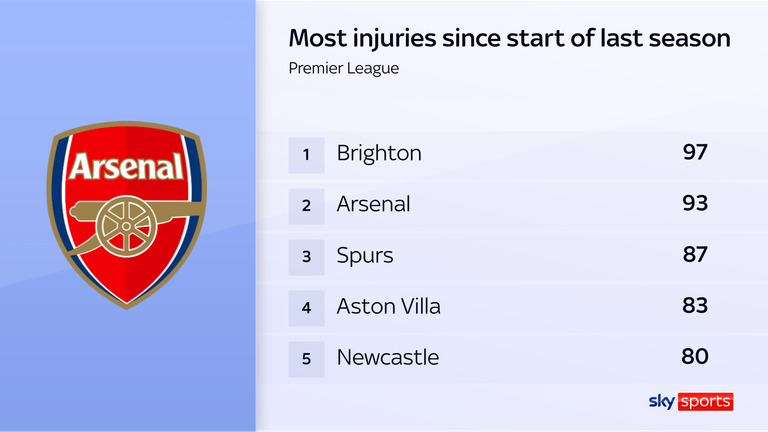
Arsenal have suffered 93 injuries since the start of last season
It is inevitable that there is an urgency to point fingers.
The numbers put Arsenal’s medical department under scrutiny. But it is difficult to apportion blame from the outside, such is the complexity of load management and damage prevention.
Has Arteta pushed players too hard? It is possible. The pattern of hamstring injuries last season suggested that the players in question had been overworked. Although Arteta only claimed last week that these injuries were “out of his control”. In his defence, he could point to a lack of rotation opportunities at key positions last season.
It is also worth noting that the problems are not limited to Arsenal. Hamstring injuries generally increase as the game becomes more intense; the schedule more packed. Bad luck also comes into it. A player who lands awkwardly, such as Odegaard on his shoulder or Mosquera on his ankle, is not necessarily indicative of a wider problem.
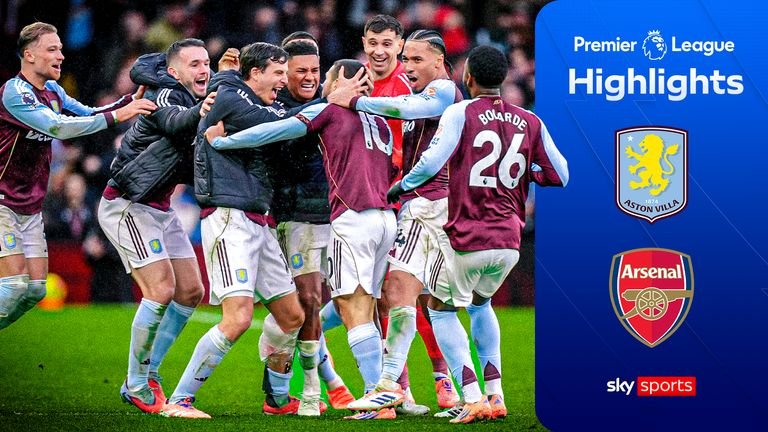
Watch highlights from Arsenal’s 2-1 loss to Aston Villa
One thing Arsenal have in their favor this season is a much deeper squad, having added eight players for a combined £267m. during the summer. But their recent dip in form shows their strength in depth is already being tested as injury problems continue.
Damage in clusters
It’s not just the amount of injuries that is causing Arsenal problems. They also keep taking damage in positional clusters.
Last season it was most evident up front, where Havertz tore his hamstring in February after another injury to Jesus increased the burden on him as the side’s only available striker.
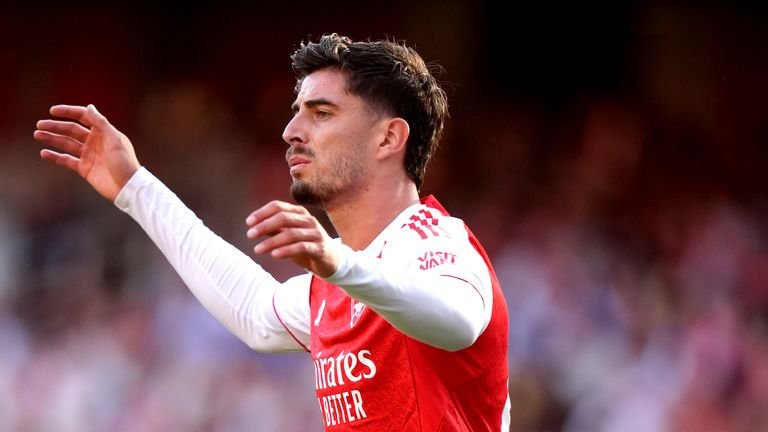
Kai Havertz has not featured for Arsenal since the opening day of the season
A similar situation arose at right-back as injuries to Takehiro Tomiyasu and White ensured a punishing schedule for Jurrien Timber, who needed surgery on an ankle problem in May.
Arsenal paid the price for letting themselves down in certain positions last season, particularly up front. But the problem of cluster damage has resurfaced this term.
An injury to Havertz at the start of the season left Gyokeres with a heavier than planned workload. He then hurt his groin, with midfielder Mikel Merino having to fill in up front, as he did last season.
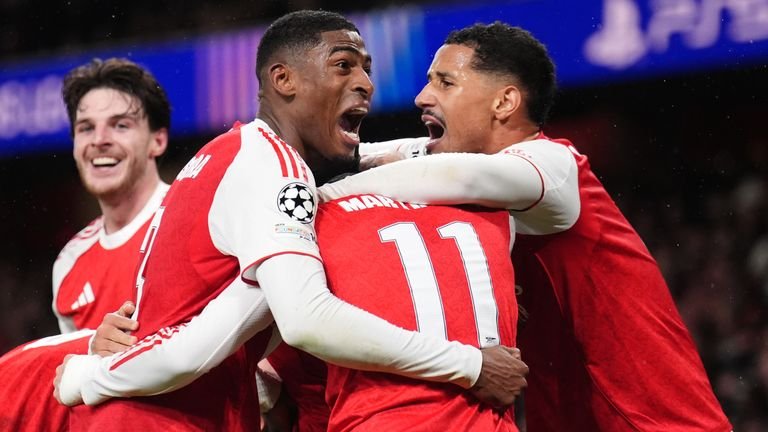
William Saliba has not featured since the 3-1 win over Bayern Munich
Merino performed admirably in the role but, having been required to start seven games in a row in a month for Arsenal, either side of two more starts for Spain, he was taken off at half-time in Saturday’s defeat by Aston Villa, clearly tired.
Meanwhile, the problem has been even more clear with Arsenal losing Gabriel, Saliba and Mosquera in the space of a few weeks, again making it impossible to rotate Timber, who has had to move to centre-back, or rest Hincapie following his return from a groin problem, risking further setbacks.
Of course, injuries to key players are difficult to deal with in themselves, before even considering the spillover effects.
The loss of both centre-backs Gabriel and Saliba has been particularly damaging, with Arsenal having conceded in four of five games since the former’s injury suffered on international duty with Brazil, having done so in just four of 17 previously.
Arteta’s side were able to secure emphatic wins over Spurs and Bayern Munich without either of the two in Gabriel, but the instability caused by losing both was evident at Villa Park as Timber and Hincapie became Arsenal’s sixth different centre-back pairing to start a match in all competitions this season.
Arsenal conceded 2.16 expected goals worth of chances in the game, accounting for almost 25 per cent of their overall total this season and underlining how uncharacteristically vulnerable they were.
Need a reset?
It doesn’t help that all of this has happened during such a busy time of the season. Arsenal have faced Spurs and Bayern Munich at home and Chelsea and Aston Villa away in quick succession.
It would be a challenging game even at maximum capacity and it has clearly taken a toll, so it is important for Arteta to keep the energy of his players where he can, starting with Wednesday’s Champions League game against Club Brugge.
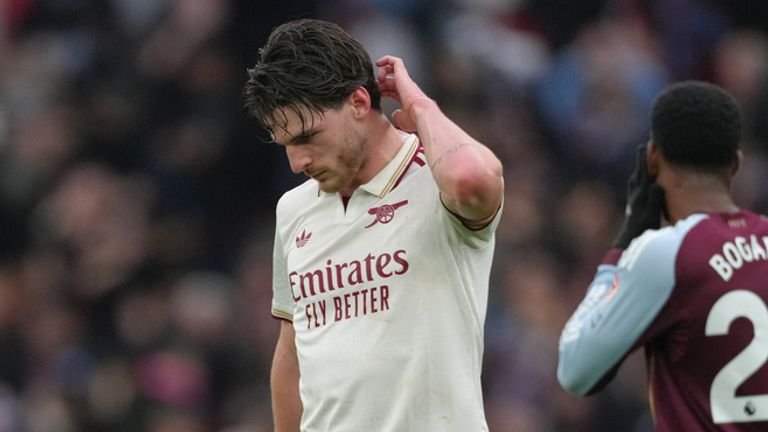
Arsenal’s Declan Rice shows his despondency during the 2-1 loss to Aston Villa
Having taken a maximum of 15 points from their opening five league games, and knowing that 16 points were enough for the all-important top-eight finish last season, Arsenal can afford to rotate and prioritize Saturday’s Premier League game against Wolves.
By then, Arsenal may have some of their injured players back. Saliba was described as being just “days” away from returning to fitness ahead of the Aston Villa game, while Gabriel and Havertz could also fall out based on Arteta’s latest comments.
After the Wolves game, Arsenal have the rare luxury of a free midweek before their trip to Goodison Park to face Everton the following Saturday. It’s something they haven’t had since August, excluding international breaks, and represents a chance to reset and slow down what is surely an unsustainable injury rate.