

Type 2 diabetes is one of the most common and well-studied modern diseases. So new drugs to combat this condition are constantly being developed.
One such type of medication is called a glucagon-like peptide 1 (GLP-1) agonist. These drugs have become more and more popular recently because, although GLP-1 receptor agonists were originally developed to treat type 2 diabetes, they began to show a very promising benefit: significant weight loss.
If you think you’re a candidate for one of these drugs, read on to learn everything you need to know about GLP-1 agonists for weight loss, how they work, who should take them, their side effects, and more.
What are GLP-1 agonists?
Hormones are your body’s natural messengers. They send important messages to various organs to keep your body functioning normally. Both insulin and GLP-1 peptide are naturally occurring hormones.
The food you eat is broken down into simple sugars (like glucose) in your stomach.
This sugar then enters the bloodstream and travels throughout the body. Insulin directs the sugar from your blood into your cells to be used as energy.
But when insulin can no longer do its job, the sugar stays in the blood and you develop type 2 diabetes.
This is why people with diabetes have higher than normal blood sugar levels. This is also why most diabetes medications (including GLP-1 agonists) target blood sugar control.
But like all good planners, your body always has a backup. When insulin starts to relax (as it does in people with diabetes), your body releases the GLP-1 hormone to pick up the slack.
When scientists discovered this clever feature, they came up with a way to mimic the body’s actions. Thus, GLP-1 agonists were developed.
An agonist is any manufactured substance (such as a drug or medicine) that mimics or boosts the actions of a naturally occurring substance (in this case, GLP-1) by stimulating its receptor.
You also like
Why tracking could still help GLP-1s—even when you’re not hungry >
How does GLP-1 work?
GLP-1 is normally produced in the small intestine. It has a four-fold messenger action:
- It tells the pancreas to increase insulin secretion to properly manage your blood sugar levels.
- It also tells the pancreas not to release hormones like glucagon, which can move glucose from other storage sites (like the liver) into the bloodstream.
- It tells your stomach to digest food slowly so that no more sugars are added to the bloodstream before insulin can remove them.
- It tells your brain that you are full and not hungry at all – also known as reducing hunger and increasing satiety. This prevents overeating and prevents you from consuming more food before the previous meal is fully digested.
This latter action has captured the attention of the general public and has pushed GLP-1 agonists—the most well-known being semaglutide—into the limelight, even among people without diabetes.
GLP-1 agonists can reduce your appetite and keep you full all the time. They can help you lose weight, especially if you find portion control challenging.
Does this mean that everyone can take GLP-1 drugs to lose weight? Let’s examine the pros and cons of taking these medications for weight loss effects.
6 Key considerations for GLP-1 drugs
GLP-1 agonists were first approved for use as type 2 diabetes medications by the US Food and Drug Administration (FDA) in 2005. These medications are usually available in liquid form along with a needle and syringe.
You need to inject them into the fatty tissue under your skin. The most common injection site is the abdomen, followed by the outer thighs, upper buttocks, and the back of your arms.
These drugs are usually only recommended after more conventional methods such as diet and exercise have failed to produce the desired results.
Even then, GLP-1 agonists are not miracle drugs. They should be accompanied by dietary and lifestyle changes for long-term use.
1. Learn who can and cannot take these drugs
To benefit from GLP-1 agonist drugs, your body mass index must either be 30 or higher or be 27 or higher with a health complication such as:
- Prediabetes or type 2 diabetes
- Cardiovascular disease
- High blood pressure
- High cholesterol
- Non-alcoholic fatty liver disease
- Obstructive sleep apnea
- Polycystic ovary syndrome
According to MyFitnessPal’s registered dietitian, Stephanie Saletta, you should consult your healthcare provider before starting this medication. This is because taking medication is associated with certain risks and possible side effects. A good healthcare provider will help you weigh the risks you face by taking the medication versus the risks of not taking it.
They will also take into account the health benefits you will receive from taking the medicine. These drugs are best suited for people who are at health risk related to their weight. For example, if you are obese, you have a higher risk of developing diabetes or heart disease.
But if you are NOT at health risk, then these drugs are not recommended for you because they put you at unnecessary risk of side effects.
You should also not take GLP-1s if:
- You have a personal or family history of thyroid cancer, as they increase the risk of thyroid cancer.
- You are pregnant, breastfeeding or planning to become pregnant.
- You have a serious intestinal disease.
- You are allergic/sensitive to Semaglutide.
Another thing to consider when choosing GLP-1s is the influence of these drugs on your food consumption.
For example, GLP-1s affect food intake by dampening food noise and subconsciously making you choose less salty, sugary and fatty foods. This speaks to how powerful your subconscious cues to eat are and the role your brain plays in obesity.
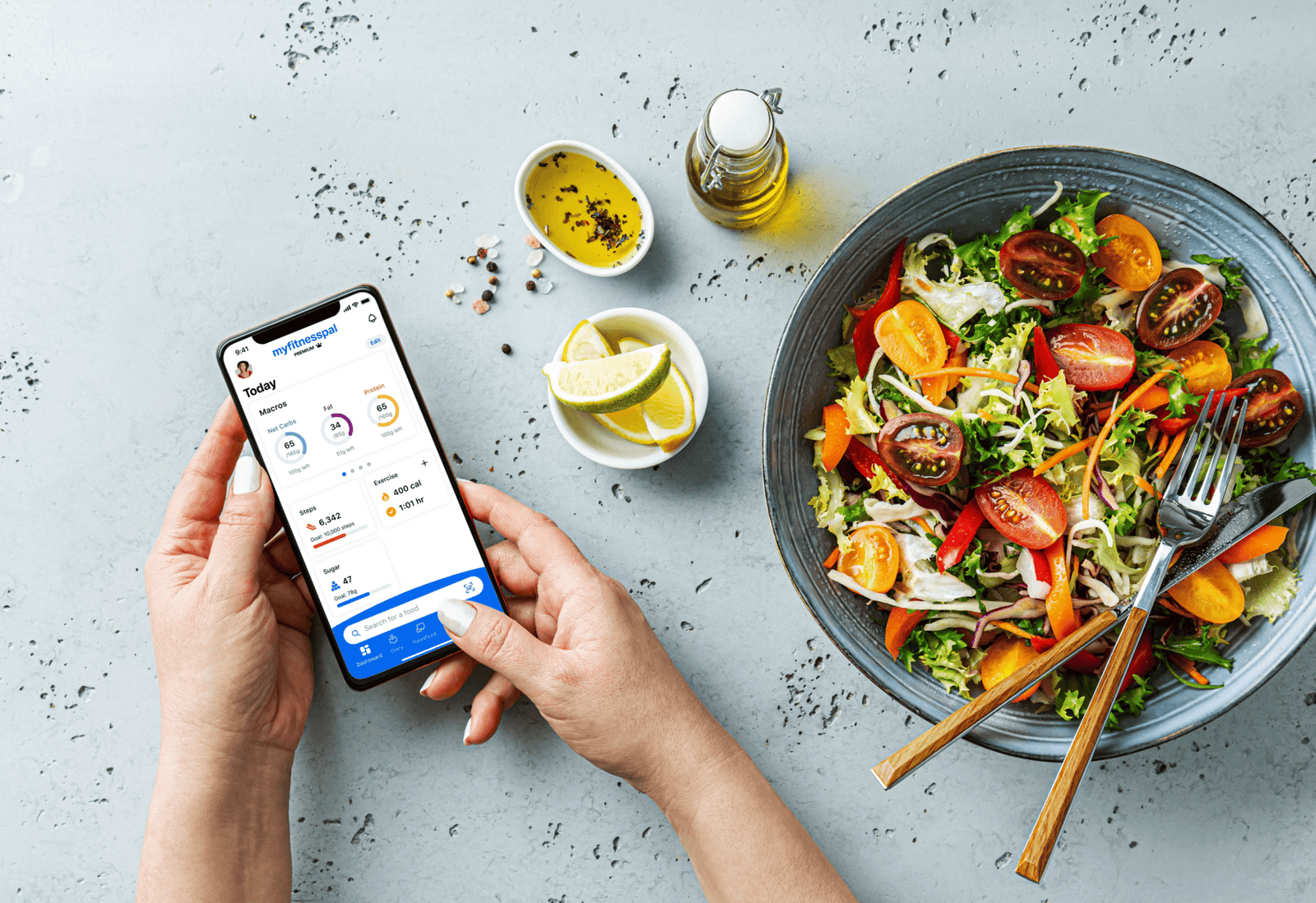
But this is a double-edged sword because you still need to be conscious and aware of what you’re eating to make sure you’re eating enough – this is where you can track what you’re eating.
While taking GLP-1 medications, you must remain disciplined about making nutritious food choices and tracking your calories to prevent malnutrition and achieve healthy weight loss.

You also like
Some of the best foods to eat on Semaglutide, according to an expert >
2. Know the available GLP-1 drugs and their effectiveness
Many GLP-1 medications are available on the US market. However, only the following three are currently approved by the FDA for use as weight loss medications:
Semaglutide (Wegovy)
- Type: injectable
- Frequency: weekly
- Starting dose: 0.25 to 1.7 mg for the first 16 weeks
- Maintenance dose: 2.4 mg
- Effect results:
- Manufacturer-sponsored surveys of803 and1,961 people: mean reductions in body weight of 7.9% and 14.9%, respectively, with smaller waists and lower levels of total cholesterol, systolic blood pressure and triglycerides
- Research review in 2021: weekly dose of Wegovy led to weight reduction effects in several studies
Liraglutide (Saxenda)
- Type: injectable
- Frequency: daily
- Starting dose: 0.6 mg/day (with weekly increments)
- Maintenance dose: 3 mg/day
- Eligibility: Obese adults and obese children over 12 years of age
- Effect results:
- 2021study of 169 overweight people: 62.1% lost at least 5% of their body weight over 6 months and 17.2% lost at least 10% of their body weight
- 2021 manufacturer-sponsored survey of 277 people: 9-lb weight loss over 7 months
- 2022study comparing Wegovy and Saxenda in 338 people: Wegovy caused more weight gain after 68 weeks due to decreased hunger and food cravings
Tirzepatide (Zepbound)
- Dual GLP-1/glucose-dependent insulinotropic polypeptide (GIP) receptor agonist
- Type: injectable
- Frequency: weekly
- Starting dose: 2.5 mg in 0.5 ml liquid solution for the first 4 weeks
- Maintenance dose: 5, 7.5, 10, 12.5 or 15 mg from week 5 (based on treatment response and drug tolerance)
- Effect results:
- Manufactured-sponsoredSUM-3 attempt: overall average weight loss of 26.6% over 84 weeks
- Manufactured-sponsoredSUM-4 attempt: total average weight loss of 26% over 88 weeks
3. Remember their potential side effects
GLP-1 agonists come with a long list of potential side effects such as:
- Digestive System: abdominal pain, nausea, vomiting, constipation, diarrhoea, heartburn, indigestion, flatulence, bloating, belching and gastroesophageal reflux
- Nervous system: headache, dizziness, fatigue, mood swings and suicidal behavior or thoughts
- Low blood sugar and diabetic retinopathy in people with diabetes
- Allergic reactions
- Drug interactions
- Heart rate changes
- Gallstones
- Pancreatitis
- Kidney damage
- Increased risk of thyroid cancer
According to cardiologist and MyFitnessPal scientific advisor Danielle Belardo, MD, most gut-related side effects can be resolved through dietary changes like eating smaller meals, increasing fiber intake and staying hydrated.
4. Understand the insurance coverage of these drugs
Insurance coverage for GLP-1 agonists like semaglutide depends on several factors, such as the type of drug, plan, provider, and health condition.
GLP-1s are sometimes covered by insurance, but only if deemed medically necessary. For example, some providers cover them if they are used to treating type 2 diabetes.
Medicare does not cover these weight loss drugs, but in some states Medicaid does.
Be sure to check with your provider before starting this drug. Some plans may require prior authorization or a documented diagnosis. You may also have to meet certain health criteria or pay some other amount.
Novo Nordisk and Eli Lilly (the manufacturers) offer savings programs for people without insurance coverage.
5. Know the obesity treatment alternatives to GLP-1
Here are some weight management strategies if GLP-1s aren’t for you:
- Choose homemade instead of ultra-processed foods.
- Make small, sustainable changes to your diet.
- Add more protein and fiber to your diet.
- Cut back on drinks with high sugar content. Drink more plain water instead.
- Make sure you get enough quality sleep.
- Move your body more – whether it’s through exercise, going for a walk or even doing chores.
- In extreme cases, consider other weight loss treatments such as surgery or medications that cause weight loss (such as phentermine).
- Seek advice from professionals such as a registered dietitian, psychologist, endocrinologist or physical therapist to receive customized care tailored to your needs.
6. Remember the maximum duration of treatment for GLP-1
Research shows that people regain about two-thirds of their weight loss within a year of stopping GLP-1 supplementation. So these drugs may not be your best choice for long-term weight loss.
Obesity is considered a chronic condition. Drugs like GLP-1s suppress cravings, increase insulin sensitivity, and dampen obesity-promoting pathways in the body. But these effects can be reversed when the drug is stopped.
In short, GLP-1s can be used to treat obesity, but cannot cure it completely. This is why you must be mentally prepared to be on GLP-1 potentially for life if you wish to receive permanent benefits.
The bottom line: GLP-1s aren’t right for everyone
Choosing the right drug depends on many factors such as your health status, drug tolerance, budget and insurance coverage. Talk to your doctor before you start taking medicine.
At the end of the day, diet and exercise are equally important in a successful weight loss journey. For an easy start, make small changes like planning your meals, tracking your calories, or creating an exercise routine.
Originally published June 12, 2024; Updated December 2025
The post Essential Guide to GLP-1 agonists for Weight Loss appeared first on MyFitnessPal Blog.