
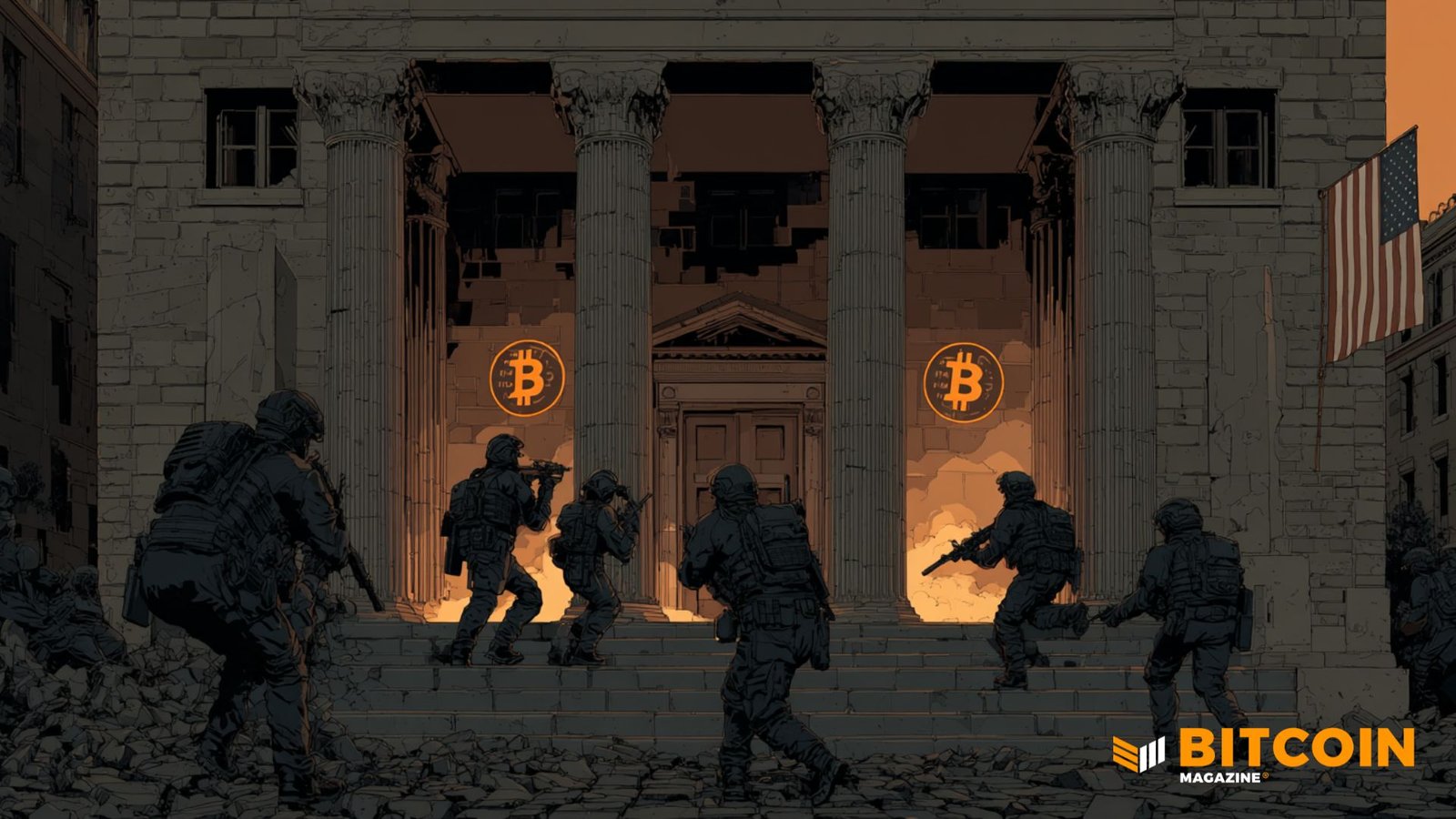
Republicans on the House Financial Services Committee have released a 50-page report detailing what they describe as a systematic banking effort by Biden-era regulators, dubbed “Operation Chokepoint 2.0.”
While many of the findings — such as the Fed, FDIC, and OCC pushing banks away from crypto through informal guidance, and the SEC’s “enforce first, rule never” approach — were previously known, the report now places them squarely in the congressional record.
The report identifies at least 30 entities that were effectively “dismantled” through informal regulatory guidance and supervisory pressure. These companies, the committee argues, were forced out of the U.S. banking system without formal enforcement action.
Government coercion, biased enforcement and private pressure – all while in denial
According to the document, the Federal Reserve, the Federal Deposit Insurance Corporation (FDIC) and the Office of the Comptroller of the Currency (OCC) used a variety of tactics to influence the behavior of banks.
These included “no-objection letters,” “pause” letters, and other forms of informal guidance designed to make banks hesitant to engage with crypto companies.
Meanwhile, the Securities and Exchange Commission (SEC) has reportedly adopted a policy of “enforce first, rule never,” using selective enforcement rather than clear regulatory frameworks to limit digital asset activity.
The report highlights SAB 121, an SEC guidance that effectively blocked banks from offering custody services for crypto assets.
The report paints a picture of regulators publicly denying any bias against digital assets while privately pressuring banks to cut ties with crypto firms. The report reads that while regulators consistently refused to discourage digital asset activity, the evidence gathered by the committee shows a pattern of private pressure and informal coercion.
Committee Republicans argue that these actions represent a revival of Operation Choke Point, a controversial program from the early 2010s that used regulatory and reputational pressure to discourage banks from serving certain high-risk industries.
The report claims that the tactics used against crypto firms reflect the same methods: informal guidance, opaque regulatory expectations and warnings about reputational risk.
“The lack of clear rules combined with aggressive enforcement has created a chilling effect on the digital assets sector,” said a spokesman for the committee. “Legitimate American businesses were forced to move overseas or shut down, not because of wrongdoing, but because of overstepping the law.”
Crypto firms struggled to hold bank accounts
The report includes anecdotal accounts of firms that struggled to maintain bank accounts despite complying with all applicable laws. One executive described repeated requests for documentation, sudden account closures and vague warnings from compliance officers, citing regulatory “uncertainty”.
Another said he was effectively cut off from the US banking system after submitting a routine legal filing.
Republicans on the committee argue that this environment has stifled innovation and driven financial activity offshore. They call on Congress and the Biden administration to reverse these policies, provide explicit guidance and ensure that legitimate crypto firms can access banking services without fear of arbitrary pressure.
The committee’s full report is available in its entirety on the House Financial Services Committee website.