
Pantry staples aren’t just backup options when you’re short on fresh ingredients—they’re legitimate meal builders. Canned beans, tuna, salmon, chickpeas and tomatoes provide hearty nutrition at a fraction of the cost and effort of cooking from scratch. The key is knowing how to combine them into meals that actually keep you full. Here’s the simple strategy for turning shelf-stable proteins into satisfying, balanced plates.
Why protein matters for fullness
Protein has endurance. Research consistently shows that meals high in protein help you feel fuller than meals high in carbohydrates or fat alone—protein increases satiety hormones and helps reduce hunger between meals (1). This satiety factor matters when you’re trying to control your appetite without constantly thinking about your next snack.
“Protein-rich meals help stabilize your energy and keep you satisfied longer than meals made up mostly of simple carbs or fat. When you combine protein with fiber from vegetables, beans, legumes, or whole grains, you set yourself up for sustained fullness that lasts hours, not minutes,” says Katherine Basbaum, a MyFitnessPal dieter.
When you pair protein with fiber—which also slows digestion and adds bulk to your meals—you get a double benefit for fullness (6). That’s why combinations like beans with vegetables or tuna with whole grain crackers work so well: The protein and fiber work together to keep you satisfied.
Fill your pantry with these protein staples
These shelf-stable proteins give you the flexibility to make quick meals without a trip to the grocery store:
Canned beans and lentils: Black beans, chickpeas, white beans, pinto beans, and lentils all provide protein and fiber. One cup of canned black beans provides about 15 grams of protein and 15 grams of fiber (2).
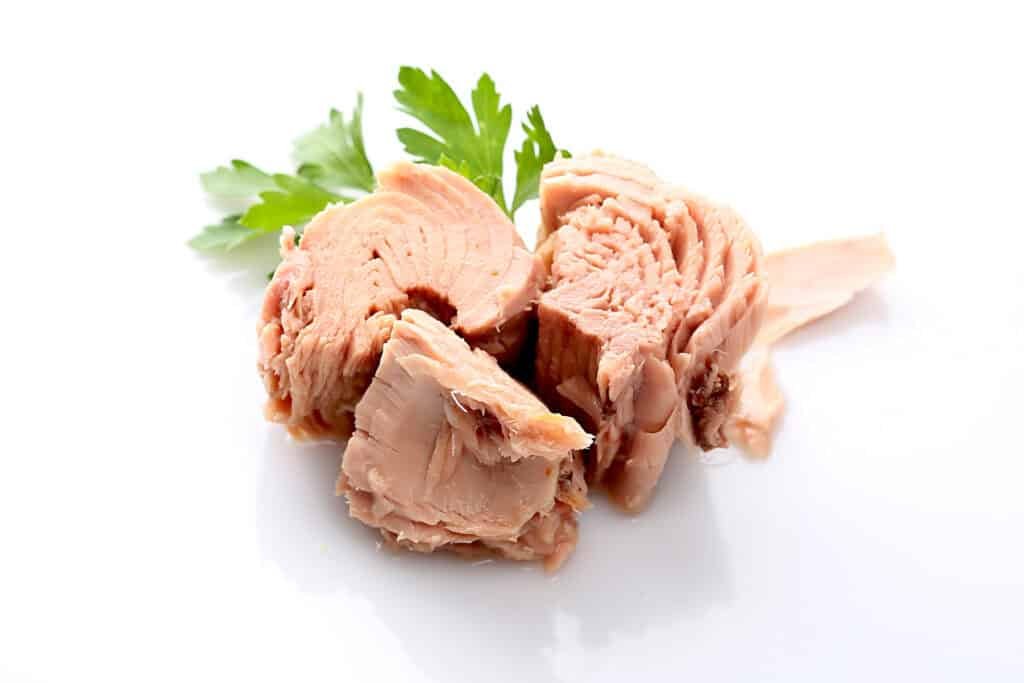
Canned fish: Tuna and salmon are lean protein powerhouses. A 3-ounce serving of canned tuna offers about 20 grams of protein, while canned salmon provides similar protein with more omega-3 fatty acids — about 1-2 grams per serving. portion compared to tuna’s around 0.7 grams (4) (5).
Canned chicken: Convenient and versatile, protein-packed canned chicken works in salads, wraps or mixed with grains.
Nut butter: Peanut butter, almond butter and other nut butters provide protein and healthy fat.
Canned tomatoes: Although not a source of protein, they add flavor, acidity and volume to meals built around beans or fish.
You also like
Important guide to meal planning
Build a balanced plate from Pantry Staples
Instead of following specific recipes, use this flexible strategy to put together satisfying meals:
1. Start with protein
Choose a canned protein as your base: beans, lentils, tuna, salmon or chicken. Aim for a serving that gives you 15-20+ grams of protein.
2. Add fiber-rich foods
Combine your protein with vegetables (fresh, frozen, or canned), whole grains (like brown rice, quinoa, or whole-wheat pasta), or more beans. Fiber slows digestion and adds bulk without many calories, helping you feel full (6).
“The beauty of pantry meals is that you can layer flavors and textures without stress. Start with your protein and fiber foundation, then add elements that make the meal exciting—fresh herbs, a squeeze of lemon, hot sauce, or crunchy vegetables. These touches transform basic ingredients into something you actually want to eat,” says Basbaum.
3. Build flavor and freshness
Add elements that make the meal filling: fresh vegetables or greens, acidic components (lemon juice, vinegar, salsa), herbs and spices, or crunchy toppings (seeds, nuts, crackers). These additions provide texture, brightness and satisfaction without adding too many calories.
Examples of combinations:
• Canned white beans + canned tomatoes + spinach + garlic + parmesan
• Canned tuna + chickpeas + cucumber + red onion + lemon + olive oil
• Canned salmon + brown rice + frozen broccoli + soy sauce + sesame seeds
• Black beans + salsa + avocado + whole grain tortilla + cilantro
Frequently asked questions
Are canned proteins as healthy as fresh?
In many ways, yes. Canned beans and fish provide the same nutritional value as their fresh counterparts. Canning preserves protein, fiber and most vitamins and minerals. The biggest difference is sodium content — choose low-sodium or salt-free versions when possible, or drain and rinse canned beans to reduce sodium (7).
How much protein do I really need?
The National Institutes of Health recommends a daily intake (Recommended Daily Allowance or RDA) of 0.8 to 1 gram of protein per serving. kilograms of body weight. (8) This amount of protein is what you need to prevent muscle loss.
The Academy of Nutrition and Dietetics and the International Society of Sports Nutrition recommend 1.2 to 2 grams of protein for every kilogram of body weight per day. (9)
Why does fiber matter if I’m focused on protein?
Fiber works with protein to keep you full. It adds bulk to meals, slows down digestion, and supports digestive health (6). Foods like beans give you both protein and fiber in one package, which is why they are so effective at maintaining satiety.
Bottom line
High-protein pantry meals don’t require complicated recipes or fresh ingredients—just a strategic approach. Start with a can or jar of protein (beans, tuna, salmon, chicken), add high-fiber foods for sustained fullness, and layer in fresh or sour elements for flavor and satisfaction. These simple combinations make shelf-stable staples into balanced, filling meals that work for busy schedules and tight budgets.
Frequently asked questions: High Protein Pantry Meals
Are canned proteins as healthy as fresh?
In many ways, yes. Canned beans and fish provide the same nutritional value as their fresh counterparts. Canning preserves protein, fiber and most vitamins and minerals. The biggest difference is sodium content — choose low-sodium or salt-free versions when possible, or drain and rinse canned beans to reduce sodium (7).
How much protein do I really need?
The National Institutes of Health recommends a daily intake (Recommended Daily Allowance or RDA) of 0.8 to 1 gram of protein per serving. kilograms of body weight. (8) This amount of protein is what you need to prevent muscle loss.
The Academy of Nutrition and Dietetics and the International Society of Sports Nutrition recommend 1.2 to 2 grams of protein for every kilogram of body weight per day. (9)
Why does fiber matter if I’m focused on protein?
Fiber works with protein to keep you full. It adds bulk to meals, slows down digestion, and supports digestive health (6). Foods like beans give you both protein and fiber in one package, which is why they are so effective at maintaining satiety.
Bottom line
High-protein pantry meals don’t require complicated recipes or fresh ingredients—just a strategic approach. Start with a can or jar of protein (beans, tuna, salmon, chicken), add high-fiber foods for sustained fullness, and layer in fresh or sour elements for flavor and satisfaction. These simple combinations make shelf-stable staples into balanced, filling meals that work for busy schedules and tight budgets.
The post Pantry to Plate: High-Protein Meals from Cans and Jars appeared first on MyFitnessPal Blog.