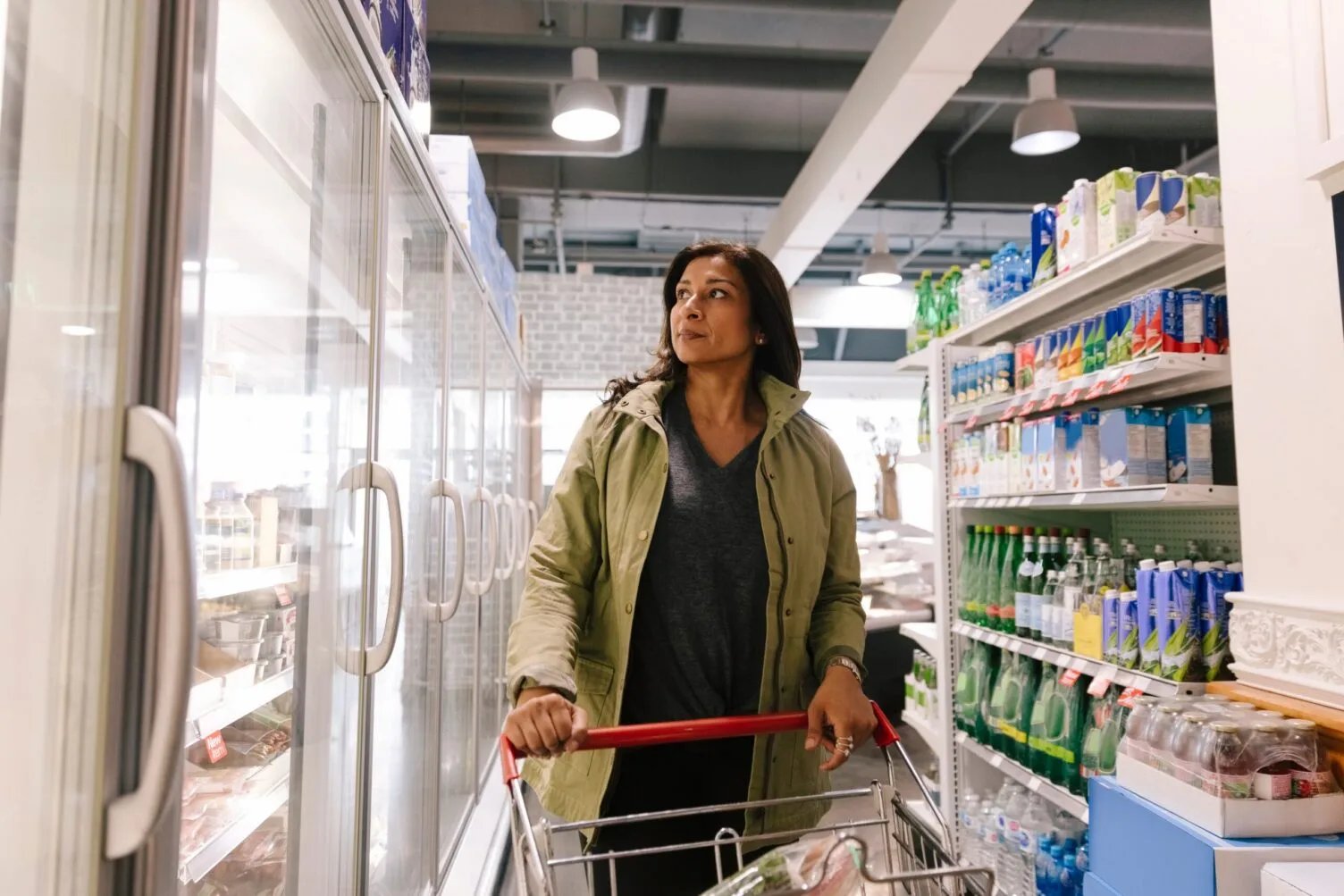
Many people assume that eating well comes with a hefty price tag, especially if you are taking a GLP-1 medication. With protein powders, specialty snacks, and “GLP-1 friendly” products constantly marketed for weight loss, it’s easy to feel overwhelmed by what’s actually worth spending your money on.
Our dietitians agree that you don’t need expensive supplements or specialty foods to reach your nutritional goals.
While GLP-1 medications often reduce appetite and can change how much and how often you buy food, everyday groceries can still provide the nutrients your body needs (1). In fact, many affordable household foods can help fill common nutritional gaps that people experience while taking GLP-1 medications (2).
Let’s break down some smart, budget-friendly shopping strategies and the foods worth prioritizing so you can support your health without overspending.
What your GLP-1 diet should prioritize
GLP-1 medications naturally reduce appetite, meaning the type and amount of food you eat may be less than before (1). While that is often the goal, especially for those using these medications for weight loss, it also makes it even more important to be intentional about the foods and nutrients you include when your appetite is lower.
Research suggests that many people taking GLP-1 medications do not meet recommended servings of fruits, vegetables, grains, and dairy products (2). Because these food groups provide a wide range of essential vitamins and minerals, it is not surprising that nutrient intake can also fall short (2).
Some of the most common nutrients people may not be getting enough of include (2):
- Fiber
- Calcium
- Iron
- Magnesium
- Potassium
- Choline
- Vitamin A
- Vitamin C
- Vitamin D
- Vitamin E
Protein intake is another area to watch. While research shows that many individuals meet the general minimum recommendation for protein, they often fall short of personal protein needs based on body weight (2). This may be concerning because maintaining lean muscle mass is especially important for people taking GLP-1 medications to support strength, metabolism, and bone health during weight loss (3).
With these potential gaps in mind, building a GLP-1-friendly shopping list should prioritize high-protein, high-fiber, nutrient-dense whole foods (2,3). Choosing the right foods can help support muscle maintenance, promote healthy weight loss, and manage common side effects like nausea and constipation (3).
Next, let’s break down how to build a smart, budget-friendly grocery list that will help you cover these nutritional bases.
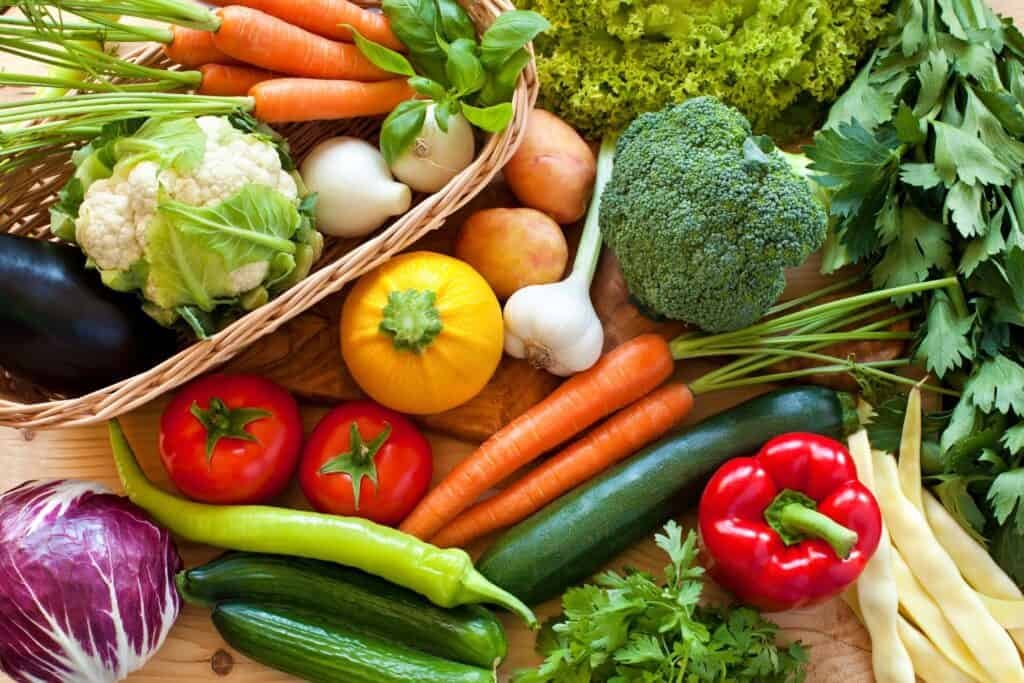
Budget-friendly GLP-1 Shopping List
Use these food categories as a guide as you scan your local store’s weekly ad and add items to your shopping list.
Affordable protein choices
Protein is an important nutrient for GLP-1 users that helps support muscle mass during weight loss ((3,4). Both plant and animal protein options fit the bill, keeping you full and satisfied on your GLP-1 journey. The key is to focus on buying what’s on sale that week, keeping in mind variety and what you actually enjoy eating. sale There are other delicious options, like edamame, beans and lentils, that also contain plant protein.
Here are some examples of lean protein options that also provide some of the missing micronutrients, such as iron, choline, and even calcium and vitamin D (depending on the protein chosen) (2).
- Plant protein:
- legumes: beans, lentils, peas
- Soy: Tofu, edamame, tempeh
- Seitan
- Nuts and seeds
- Animal protein:
- Dairy: Greek yogurt, cottage cheese
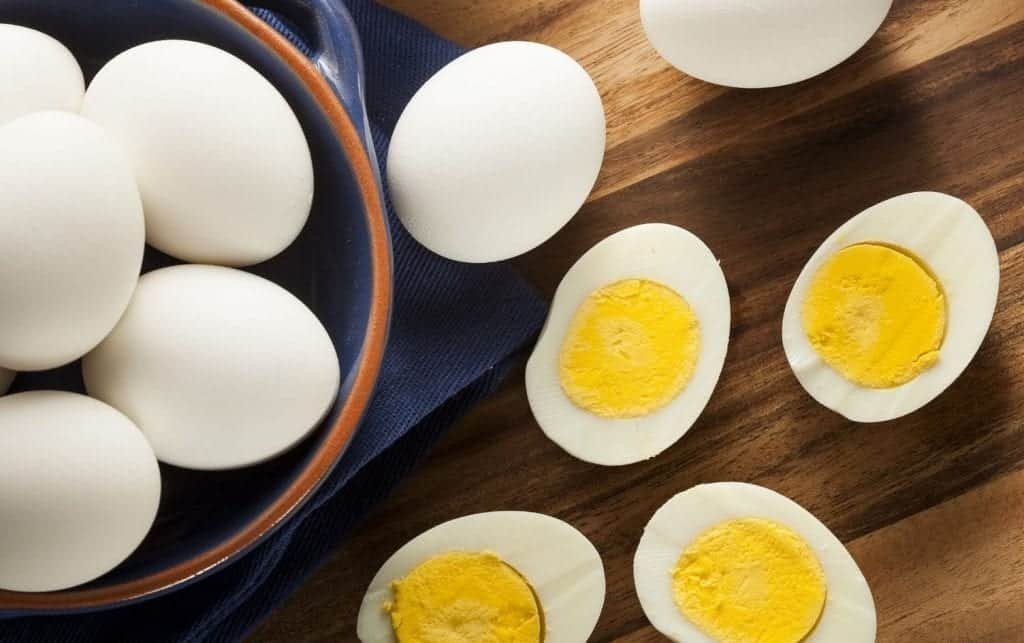
- Egg
- Poultry: chicken breast, rotisserie chicken (skin removed), lean turkey
- Lean red meat: Lean beef, pork chops, pork tenderloin
- Fish and shellfish: canned salmon/tuna
Cost-effective, fiber-rich products
Fiber is found in a variety of foods, including fruits and vegetables, whole grains, plant proteins such as edamame, beans and lentils, as well as nuts and seeds (5). Including a variety of foods in your diet helps provide fiber in addition to some of the micronutrients you’re lacking in your diet (2). Plus, fiber helps prevent constipation, a common symptom that patients on GLP-1 medications complain about (3).
MyFitnessPal Dietitian Katherine Basbaum shares, “The more the merrier when it comes to stocking up on fiber-filled fruits and vegetables in your kitchen. These foods are versatile and can help close nutritional gaps at breakfast, lunch and/or dinner.”
Here are some fruits and vegetables that are generally on sale, in season, and budget-friendly.
- Leafy greens, like spinach and romaine, make a great base for salads and bowls.
- Easy to snack on produce such as carrots, cucumbers and celery.
- Grab-and-go products such as apples, oranges and bananas.
- When in season, fresh berries are delicious, nutritious and affordable. When they’re not, consider bargain sales on frozen berries (they’re just as nutritious).
Cheap Pantry Staples
Having a well-stocked pantry can make eating balanced meals easy and efficient, especially for busy adults. Keep these ideas in mind.
- Heart-healthy fats like olive oil and vegetable oils, nut butters like 100% peanut butter, and nuts and seeds are wonderful additions to a pantry (6).
- Protein picks, like canned beans and lentils, or seafood, like canned salmon or tuna, are great to grab when they’re on sale to make meals happen quickly.
- Whole grains such as oatmeal, bulgur, quinoa and whole grain pasta are also excellent to have on hand. These can be used to add fiber, micronutrients, and even protein in some cases to round out a meal (7).
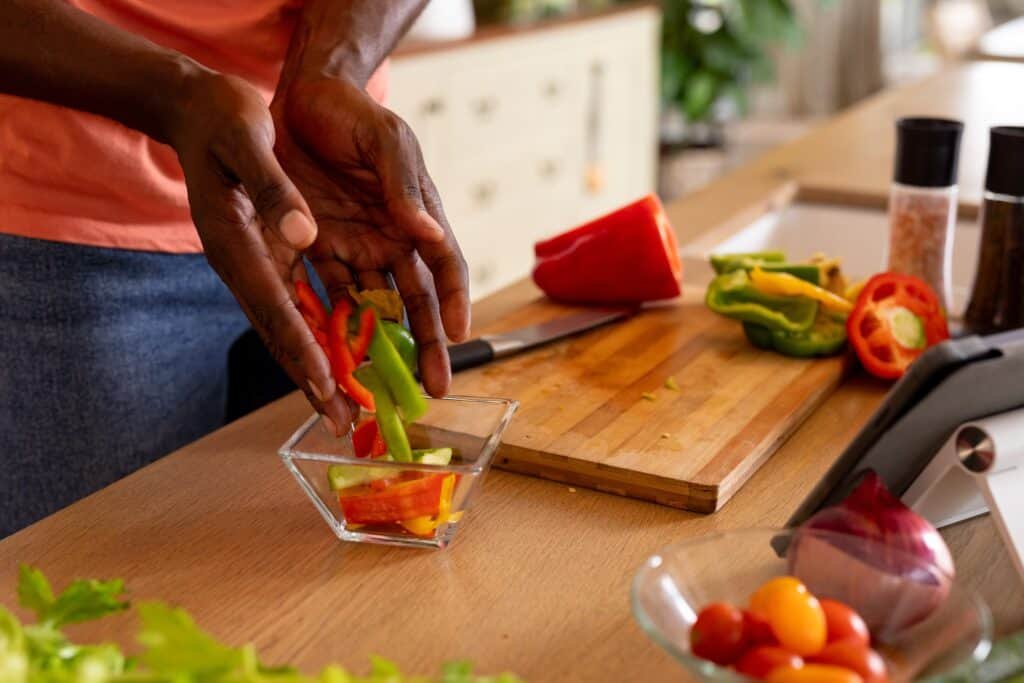
How to save money when building your GLP-1 meals
Whether you’re on a GLP-1 diet or not, these tips are helpful for saving money while building balanced meals.
Keeping an eye on sales and weekly ads helps prioritize the nutritious foods that are also budget-friendly. Chicken breast for sale? Great, it’s time for our MyFitnessPal reader favorite Chicken Waldorf Salad this week.
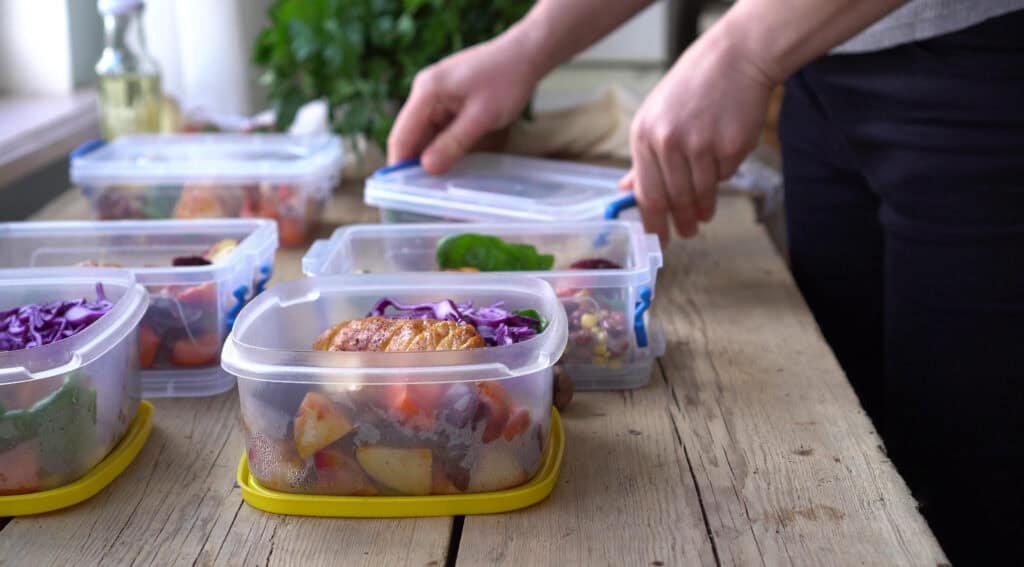
- Build in time for meal prep.
While convenient pre-washed and chopped vegetables in the refrigerated section can save you time, they often come with labor costs factored in. Building in your time to prepare meals can keep costs down on your farm while still delivering big in the fiber department.
- Focus on reducing food waste.
Buy smaller quantities of perishables, freeze leftovers, and reuse ingredients to stretch your food dollar while reducing food waste.
- Buy store brand over name brand.
These are often similar in nutrition, but contain a larger amount of food for less money. Think grains, canned foods like beans and tomatoes, and even dried fruits like cherries and prunes.
- Don’t skip the freezer section.
Convenience is paramount when it comes to frozen items such as fruits, vegetables and even quick individual protein packed meals. If you pick up 1-2 options when they’re on sale, lunch or dinner can stick together and prioritize your nutrition and protein intake.
Bottom line
GLP-1 medications naturally reduce appetite, which means focusing on nutrient-dense foods and appropriate portion sizes becomes even more important (1). Smaller meals that prioritize protein, fiber, fruits, vegetables, and whole grains can help you maintain muscle mass, support digestion, and fill potential nutrient gaps (2,3).
Many affordable everyday foods, such as beans, eggs, whole grains, frozen produce, and canned fish, can help you meet your protein, fiber, and micronutrient needs while supporting healthy weight loss on a GLP-1 medication (2,3).
Remember though, everyone’s nutritional needs and preferences are different. Working with a health care professional like a registered dietitian is helpful in creating a plan that fits your appetite, budget, and health goals. With a little support, you can make the most of your GLP-1 journey while feeling confident about what’s on your plate.