

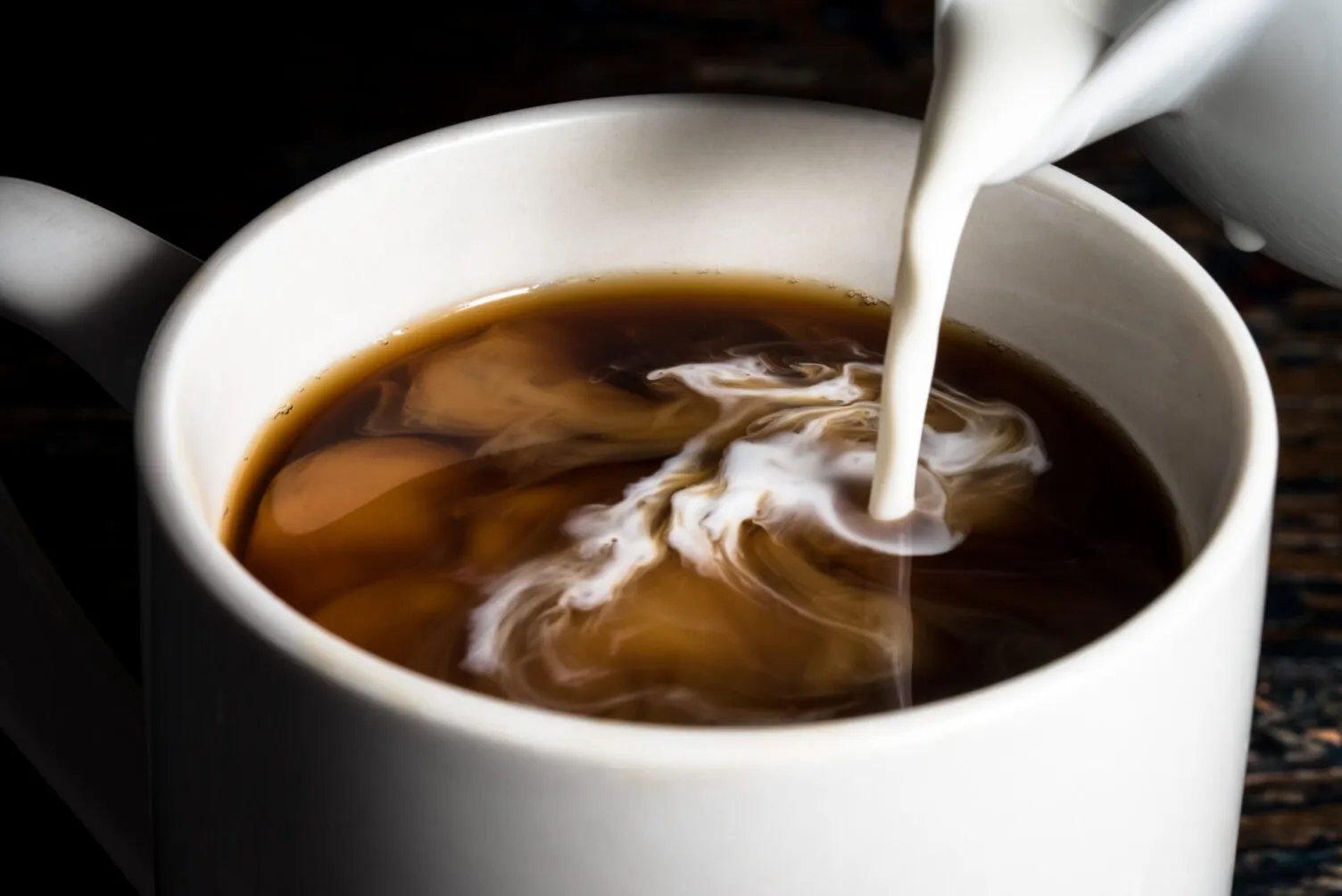
Coffee for weight loss sounds simple: drink coffee, feel more energy, eat a little less and burn more calories. In real life it is more nuanced. Coffee can help some people support a caloric deficit, especially if it replaces a higher-calorie beverage. But it can also work against your goals if it affects your sleep. (1,6,9,11)
In this dietitian-informed article, we’ll look at what coffee can and can’t do for weight loss.
What does coffee do to your body?
Coffee contains caffeine, which can make you feel more alert. Too much caffeine can also cause symptoms such as increased heart rate, sleep disturbances, anxiety, tremors, upset stomach, nausea or headache. (4)
Coffee also contains plant compounds that have been studied for potential health benefits. In general, research suggests that coffee is more often associated with benefits than risks, although it depends on the person and the situation, especially during pregnancy. (5)
“For weight loss, the most important question isn’t whether coffee is ‘healthy.’
Can coffee help with weight loss?
Maybe a little, but it depends on the person.
Studies showed that higher caffeine intake was associated with reductions in body weight, BMI and body fat. (2) This does not mean that coffee melts fat or replaces a balanced eating plan. This means that caffeine may play a small supportive role for some people.
Weight loss still comes down to a calorie deficit: using more energy than you consume over time. So physical activity combined with reducing calories can create the calorie deficit needed for weight loss. (6)
This is where regular coffee can be helpful. An 8-ounce cup of brewed coffee has about 2 calories and no sugar. Replacing a sugary latte, soda, or sweetened energy drink can help lower your total calorie intake without feeling like a huge sacrifice. (1)
MyFitnessPal can be helpful here because coffee additions are easy to underestimate. Logging your usual coffee order for a few days can reveal whether it’s a small part of your day or a sneaky source of extra calories and added sugar.
Coffee and appetite: Useful or overhyped?
Some people feel less hungry after coffee. There is some research to support this possibility, but the effect is not strong or reliable enough to build a weight loss plan around.
A study found that coffee can affect hunger and how much you eat later, but the effect can vary from person to person. This is because eating patterns are influenced by much more than coffee. Sleep restriction can affect dietary intake and food choices, although the effect can vary from person to person. Stress is also linked to eating behaviour, and changes in the menstrual cycle can affect energy intake. (7,11,12,13)
So if coffee helps you feel satisfied between breakfast and lunch, it might be helpful. But if you use coffee to skip meals, push through hunger or replace food, it can backfire. You may end up feeling overly hungry later, low on energy, or more likely to snack in a way that doesn’t feel intentional.
“If you’re trying to lose weight, coffee is a perfectly acceptable choice. Not only can it provide a useful energy boost and a pleasant taste, but it also serves as a naturally low-calorie beverage,” says Basbaum.
The biggest coffee mistake for weight loss
The coffee itself is usually not the problem. The extra material is.
Black coffee is very low in calories. But flavored syrups, sweetened whipped cream, sugar, whipped cream, caramel drizzle and large serving sizes can quickly add up. Too much added sugar can contribute to weight gain and obesity, type 2 diabetes and heart disease. (8)
That doesn’t mean your coffee has to be plain forever. This means that your “daily standard” matters.
Try one of these little swaps:
- Order a smaller size.
- Ask for fewer pumps of syrup.
- Use milk instead of sweetened creamer.
- Add cinnamon or cocoa powder for flavor.
- Choose unsweetened cold brew and add your own splash of milk.
- Keep the sweet coffee as an occasional treat rather than an automatic habit.
If you love a sweet latte, enjoy it. Just count it as part of your day, not “just coffee.”
This is also where MyFitnessPal can help. You can compare your usual coffee order with a lighter version and decide if the difference is worth it for your goals.
Coffee before training
Coffee can help you feel more ready to move because it contains caffeine. Research suggests that caffeine, whether it comes from coffee or another source, can help improve exercise performance when taken about 60 minutes before a workout. (3)
The dose studied is often 3 to 6 milligrams per kilogram of body weight, which is about 200 to 400 milligrams of caffeine for a 150-pound adult. That can equal about two to five 8-ounce cups of brewed coffee, depending on the coffee, so it may be more than your stomach wants before exercise. Start with less and see how you feel. (3,4)
This does not mean that everyone needs coffee before training. Some people are fine. Others feel shaken, anxious or uncomfortable. If you want to try it, start small. A regular cup of coffee before a workout can be enough.
Also, more is not better. Very high caffeine doses can increase the risk of side effects and are usually not necessary for performance benefits. (3)
When coffee can work against weight loss
Caffeine can make it harder to sleep, especially in large amounts or later in the day. Research suggests that 400 milligrams can affect sleep even when taken up to 12 hours before bedtime, while smaller amounts may have less impact. (9)
Poor sleep can make weight management more difficult by affecting appetite, food intake, food choices and energy balance. So while that afternoon coffee helps you get through the day, it might not help if it makes your night worse. (11)
Coffee may also be worth limiting if it causes:
- shaking
- anxiety
- heartbeat
- stomach ache
- headache
The FDA says most adults can have up to 400 milligrams of caffeine a day without ill effects, but sensitivity varies by body weight, medications, health conditions and how quickly you process caffeine. (4)
Frequently Asked Questions (Frequently Asked Questions)
- Is black coffee good for weight loss?
Black coffee can fit well into a weight loss plan because it is very low in calories. An 8-ounce cup of brewed coffee has about 2 calories. But black coffee does not cause weight loss alone. It only helps if your overall habits support a calorie deficit. (1)
- Can I drink coffee to lose weight?
You can drink coffee while trying to lose weight. Caffeine may modestly support weight loss and exercise performance for some people, but coffee should not replace meals, balanced eating, sleep, or regular exercise. (2,3,6)
- How much coffee is too much?
For most adults, the FDA lists 400 milligrams of caffeine per day as an amount not generally associated with adverse effects. However, some people experience side effects at much lower amounts. (4)
- Is coffee safe during pregnancy?
Moderate caffeine intake, defined as less than 200 milligrams per day, does not appear to be a significant contributor to miscarriage or preterm birth. Still, pregnancy is a time to get personal guidance from your clinician. (10)
- Is iced coffee better than hot coffee for weight loss?
Iced coffee and hot coffee can both be suitable. The most important thing is what’s in the cup. Unsweetened iced coffee, cold brew, and hot coffee are all low-calorie choices. Sweetened coffee can be much higher in calories and added sugar. (1.8)
Bottom line
Coffee can be part of a healthy weight loss plan, especially when it replaces a higher-calorie beverage or helps you feel energized for exercise. (1, 3, 6)
But coffee is not a magic tool for fat loss. The biggest gains usually come from keeping additions modest, avoiding caffeine late in the day if it affects your sleep, and using coffee with balanced meals rather than in place of them. (8, 9)
For real ideas, the MyFitnessPal community can also be a helpful place to see how other people fit coffee into their routines without overcomplicating it.

Originally published November 8, 2022; Updated July 13, 2026