

If you are taking a GLP-1 medication like Ozempic or Wegovy, you are definitely not alone.
And while these can help many people lose weight, they aren’t always a magic cure.
So it is important to develop healthy habits for effective weight management and long-term health.
A balanced diet provides important nutrients and helps prevent chronic diseases.
GLP-1s have also not been shown to be used long term. Some data show that most patients stop taking GLP-1s after a year or two. Stopping them, especially without lifestyle changes, can cause weight regain (1).
In addition, GLP-1s are relatively new. There is limited research on the best dietary guidance for those taking GLP-1s and whether they are safe for long-term use (2). While using GLP-1s, good nutrition and lifestyle choices can also help reduce some side effects, such as:
- Gastrointestinal problems
- Appetite suppression, which often leads to undereating
- Lack of nutrients
- Muscle loss.
But diet and lifestyle changes may not address other common or rare but serious side effects. It is always best to consult your doctor about any concerns regarding GLP-1s.
Here are some practical tips on how to use MyFitnessPal to support your GLP-1 journey.
How to use MyFitnessPal to support your GLP-1 journey
Tracking calories
Eating fewer calories is an essential part of most weight loss plans.
Calorie restriction can be the hardest part of weight management. It usually makes us feel hungrier, especially at first.
But one way taking GLP-1s helps weight loss is by suppressing appetite and reducing food cravings (2, 3).
So instead of often feeling hungry or thinking about food, you might forget to eat enough or get full too quickly when you do.
This may sound appealing to anyone who struggles with frequent thoughts about food. But it is important to meet your body’s minimum calorie needs (4). This ensures that your body gets all the nutrients it needs to maintain energy levels and function properly (5).
In general, women’s calorie intake should not fall below 1,200 per day, and men’s should not go below 1,500, except for specific reasons and under the supervision of a health professional (6).
Consuming less than this amount may affect your health.
Not meeting your minimum calorie needs can cause nutrient deficiencies (7). This includes micronutrients (vitamins and minerals) and other essential nutrients.
This, in turn, can cause fatigue, a weakened immune system, and overall poor health (8, 9).
So it’s important for people on GLP-1 medications to watch their caloric and nutrient intake.
One of the best ways to do this is by keeping a food diary.
Using a tool like MyFitnessPal to log meals can simplify this. It lets you quickly spot any calorie or nutrient deficits. You can then adjust your diet.
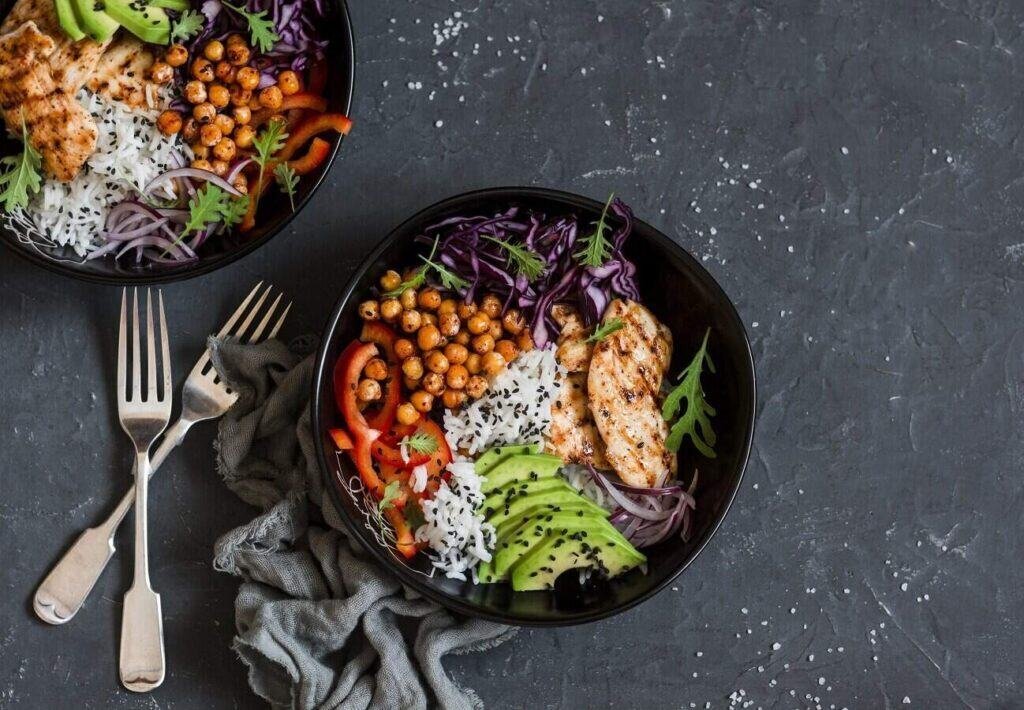
Nutrient-dense foods are some of the best foods for people taking GLP-1s. Fish and shellfish, tofu, dates and other nutrient-dense ingredients can help you get the most nutrition out of smaller meals.
You also like
Foods to eat and avoid on GLP-1s, based on the latest nutritional science >
Protein tracking
Protein helps you feel full, keeps hormones and enzymes in check, supports your body’s functions, and balances fluids and electrolytes (10, 11).
Eating enough protein also ensures that the body has the building blocks it needs to repair and maintain muscle tissue (11).
This is important for active people and those who want to maintain muscle while losing weight.
This may be especially important when taking GLP-1s. Some studies suggest that up to 50% of weight loss on a GLP-1 can be lean muscle mass, not body fat (12).
A loss of muscle mass can cause long-term problems, such as:
- Increased risk of injury (13)
- Loss of strength (13)
- Reduced mobility (13)
- Slow metabolism (14)
- Worse heart health (15)
- Increased insulin resistance (16)
- Reduced lifespan (17)
For anyone on GLP-1 medication, getting enough protein can help maintain muscle health.
MyFitnessPal makes it easy to track your daily protein intake.
Protein needs during weight loss are personal. Current recommendations for people losing weight on GLP-1 are 1.2-1.6 grams per day. kg body weight or an absolute target of 80-120 g per day. This higher amount of protein may be better than the typical lower daily intake of 60 grams or 0.8 grams per serving. kilograms (18).
This higher amount of protein may be better than the typical lower daily intake of 60 grams or 0.8 grams per serving. kilograms (18).
A good rule of thumb might be to aim for three meals a day, each containing around 20 to 30 grams of protein.
If you struggle with appetite, try eating small amounts of protein-rich foods throughout the day instead of eating large amounts at each meal (19).
Keeping track of how much protein you eat also helps you plan balanced meals with the right mix of carbohydrates, fats, and proteins for continued weight loss success.
About the experts:
Kelsey Costa, MS, RDN is a registered dietitian and writer providing effective nutrition consulting services to leading health brands. She is an influential figure in nutrition science communication, advancing global public health and nutrition education.
Stephanie Saletta, MS, RD is a registered dietitian and is MyFitnessPal’s Sr. Lead Nutrition Scientist. Stephanie is passionate about promoting healthy lifestyles and graduated from San Diego State University with a focus on research and disease prevention.
Tracking exercise
Of course, when we talk about muscle maintenance during weight loss, we can’t leave out exercise.
An exercise routine, especially strength training, may be important for people taking GLP-1s. It may help them maintain a healthy weight after stopping treatment (20).
You can log your workouts in the MyFitnessPal app or sync with other fitness apps and devices, such as Fitbit, Garmin or Apple Health, to easily track your activities and progress.
Fiber tracking
Studies have shown that fiber, especially soluble fiber, slows down how quickly your stomach empties and makes you feel full, which controls your appetite (21).
Fiber can also help make your bowel movements more regular and consistent (22).
GLP-1 medications have been shown to cause gastrointestinal side effects, such as constipation and diarrhea (23).
Adding fiber-rich foods to your meals can help reduce these side effects and support digestive health (22, 24).
Many people fall short of their fiber needs. Using tracking apps like MyFitnessPal can increase awareness of their intake.
By logging foods, you can identify the best options for making fiber-rich meals and incorporate them into your weekly routine.
In general, for diarrhea or constipation, you’ll want to increase your intake of soluble fiber (25).
Good sources of soluble fiber include:
- Ground flaxseed
- Brussels sprouts
- Avocados
- Black beans
- Rolled oats
If you’re just dealing with constipation, also add more insoluble fiber by eating whole fruits and vegetables with their skins on.
But everyone should include a mix of both soluble and insoluble fiber in their diet (26).
Fiber recommendations are usually around 35 grams per day for healthy adults, but some studies suggest that closer to 50 grams per day may be ideal (27).
Check out this fiber quiz from MyFitnessPal to see if you’re getting enough fiber in your diet!
If you start with a low-fiber diet, gradually increase your fiber intake (28). Also hydrate to avoid discomfort or digestive problems.
You can adjust your daily fiber goals in the MyFitnessPal app based on your needs.
Tracking hydration
Nausea and vomiting can be common side effects of GLP-1 medications.
In fact, vomiting has been shown to occur in about 5 to 20% of people taking GLP-1s (29). But for many, these symptoms usually go away within 1 to 8 days (29).
However, if vomiting is severe or does not stop, it could be serious, so it is important to visit your doctor or get emergency help.
Both vomiting and diarrhea from GLP-1 medications can lead to dehydration.
Even if you don’t have these symptoms, changes in your eating habits and appetite may cause you to drink less during meals. This can increase your risk of dehydration.
Dehydration can be dangerous and worsen medication side effects, especially constipation, as fluid is essential for digestion.
So maintain proper hydration levels while taking GLP-1s to minimize adverse effects.
Staying hydrated also supports energy levels, metabolism, and a healthy weight (30). It’s a good habit to stick to for overall well-being (31).
Enter MyFitnessPal’s hydration tracking feature.
You can easily log your fluid intake, providing an efficient way to set and achieve daily hydration goals.
Many unsweetened liquids are excellent options to meet your daily fluid needs, including:
- Plain water
- Seltzer water
- Coconut water
- Low-fat milk or plant milk
- Coffee and tea (in regular quantities)
- Low-sodium broth-based soups
Most people should aim for about half an ounce to one ounce of fluid per day. pounds of body weight daily (32). If you exercise regularly or live in a hot climate, you need the higher end.
Adjust your hydration goals in the MyFitnessPal app based on your needs and activity levels.
Other useful features
MyFitnessPal also has other useful features to help people on GLP-1 with their diet and lifestyle goals:
- Meal stamps can help ensure you eat consistently throughout the day and help you meet your calorie, micronutrient and protein goals.
- Logging of reminders can provide gentle nudges that help you stay on track with those goals and increase your accountability.
- Recipes in the app focus on high protein and GLP-1 friendly options that inspire you to explore varied and balanced meals through recipe discovery.
- Tracking your weight and other body metrics in the app can help you monitor progress and stay motivated.
These features can help you adopt healthy eating and lifestyle habits while on GLP-1 medication, promoting your long-term success.
Originally published November 11, 2024
The post How MyFitnessPal Can Support Your GLP-1 Journey appeared first on MyFitnessPal Blog.