
Glucagon-like peptide-1 (GLP-1) is a hormone that regulates blood sugar levels. But sometimes your body may need extra help with the GLP-1 hormone, especially if you have diabetes.
Certain foods or nutrients can stimulate GLP-1 in the body or have similar effects, such as controlling the blood sugar response or making you feel fuller. They act as sidekicks and help support your body’s natural rhythms and keep your blood sugar on track.
While much of the science continues to develop, let’s explore some natural GLP-1 agonists and how they may be able to complement your health journey.
Is there a natural GLP-1?
The answer isn’t a simple yes or no – some foods can make you feel full longer and slow digestion (as GLP-1 drugs do), but they won’t necessarily cause rapid weight loss in the same way – so let’s break it down step by step.
- GLP-1 is a hormone that is naturally produced in the body. The cells in your intestine or gut secrete it to regulate blood sugar levels. It tells your body to produce insulin, which orders your cells to absorb the sugar and produce energy.
- It also slows digestion, makes you feel less hungry, and boosts metabolic health, which can help with weight loss. It conducts the blood sugar orchestra and keeps things in harmony.
- Most people naturally produce enough GLP-1 to keep your blood sugar in check. But if you have diabetes or insulin resistance, that may not be enough.
Diabetes is when your blood sugar levels rise because your body cannot produce or properly use insulin. Cells need insulin to absorb sugar for energy.
Insulin resistance occurs when the cells do not respond well to insulin. Without insulin’s instruction, cells cannot absorb sugar, leading to high blood sugar.
This is where GLP-1 receptor agonists come into play. They mimic the natural GLP-1 hormone and act as reinforcements, improving your body’s GLP-1 levels to control blood sugar. They help stimulate the release of insulin and promote insulin sensitivity.
This allows your cells to absorb glucose and lower blood sugar levels. It also helps keep you full longer and reduces your appetite.
Several GLP-1 agonist medications are available, including:
- Exenatide (Byetta, Bydureon)
- Liraglutide (Victoza, Saxenda)
- Dulaglutide (Trulicity)
- The weight loss drugs Semaglutide (Wegovy) and tirzepatid (Zepbound)

You also like
Essential Guide to GLP-1 Agonists: Everything You Need to Know >
However, if GLP-1 medications are not right for you, you may want to consider incorporating certain foods into your diet that act as natural GLP-1 agonists and help with blood sugar control.
According to MyFitnessPal’s registered dietitian, Stephanie Saletta, “Changing your diet won’t have the same effects as a GLP-1 medication, but it will help you feel fuller longer and slow down your digestion. Plus, we’re still learning a lot here, so more knowledge to come as time goes on!”
Whatever the results of further studies on natural GLP-1 agonists may be, small dietary and lifestyle changes have the potential to significantly improve your overall health in the long run.
So let’s look at some natural ingredients to boost your GLP-1 levels.
Top 5 Foods and Supplements That Can Increase GLP-1 Naturally
Here are some natural GLP-1 agonists to give your body extra support for better blood sugar control:
1. Eggs and protein-rich breakfast
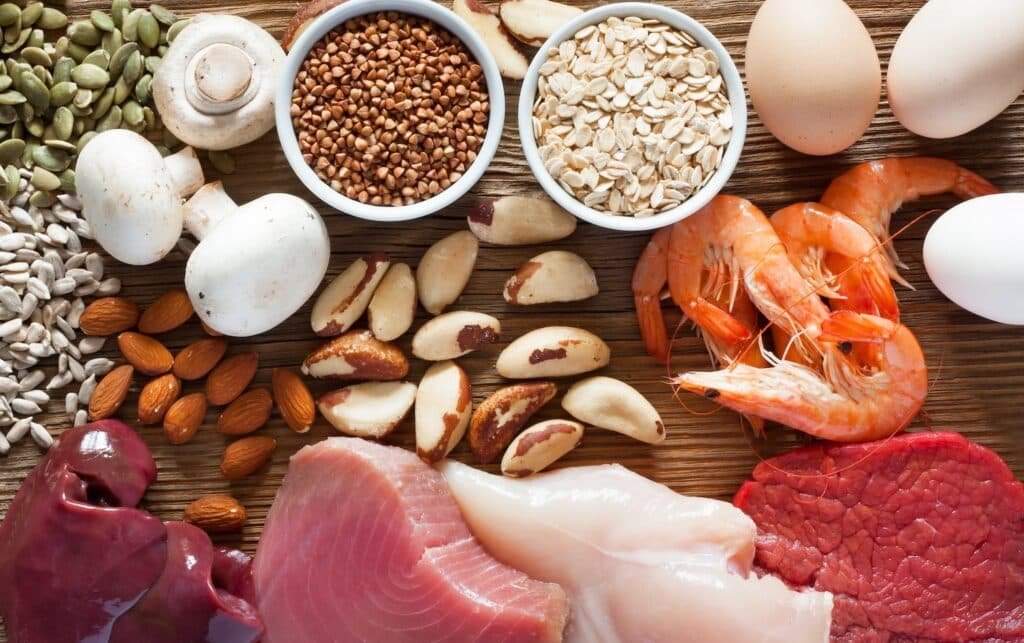
Recent research suggests that eating protein- and calcium-rich foods for breakfast can improve GLP-1 release and aid in weight loss. Although there is ongoing research on the potential link between protein-rich foods and GLP-1 release, the evidence is still limited.
Nevertheless, adding protein to your breakfast can provide numerous health benefits. So start your day with eggs and other protein-rich foods, regardless of whether they naturally promote the release of GLP-1.
Breakfast items such as eggs, milk, peanut butter toast, protein smoothies, quinoa porridge or Greek yogurt with fruit provide essential nutrients and support a healthy lifestyle. They can also help regulate blood sugar levels and keep you fuller for longer.
2. Nuts for powerful snacks
Nuts are delicious, powerful snacks that enhance a healthy diet. There are claims that nuts boost your GLP-1, but what do we really know?
The evidence is conflicting: some studies show that nuts increase GLP-1 levels, but another study shows decreased GLP-1 levels after consuming nuts. We need larger studies – conducted in different groups of people – before we can say for sure whether nuts increase GLP-1.
The good news? Nuts are a great source of protein, healthy fats and dietary fibre. Eating nuts can boost the quality of your diet, and a healthier diet is associated with weight loss and a healthier weight. So regardless of its impact on your GLP-1, you’ll likely up your nutrition game by adding nuts to your diet.
3. High fiber grains to stimulate GLP-1 production
Get your daily dose of fiber-rich grains to stimulate natural GLP-1 production. Grains rich in soluble dietary fiber—such as oats, barley, and rye—can help promote the release of GLP-1. They can also help manage blood sugar levels, improve insulin sensitivity and promote digestive health.
Swapping refined grains for high-fiber whole grains can also help support your weight loss journey and improve overall health.
Many people think they are meeting the recommended fiber intake when in fact they fall short. Most adults should aim for 25 grams of fiber daily for women and 38 grams for men.
To get a better idea of how much fiber you’re really getting, use MyFitnessPal to track your food intake. Tracking your food can help you reach your nutrition goals.
4. Magnesium supplements to stabilize blood sugar levels
Magnesium is an essential mineral with several health benefits. But most importantly, it helps you maintain healthy blood sugar levels. Research conducted in diabetic rats shows that magnesium supplementation can increase GLP-1 release, regulate glucose metabolism, and improve insulin sensitivity. But there is a dearth of research involving human subjects in this matter.
Nevertheless, magnesium remains an important nutrient with health benefits beyond its potential effects on GLP-1 release. You can boost your dietary magnesium intake by enjoying foods such as spinach, leafy greens, nuts, peas, beans, whole grains and seeds or taking magnesium supplements.
You also like
Micronutrients and GLP-1s: What You Should Know >
5. Lean protein to increase GLP-1 and maintain muscle mass
Lean protein—like chicken, fish, and tofu—may be your ticket to elevated GLP-1 levels. Protein-rich foods are loaded with amino acids, which can help stimulate GLP-1 release, maintain muscle mass, and help manage body weight.
Adding lean protein to your meals may improve your natural GLP-1 levels, stabilize blood sugar levels, and keep your muscles healthy.
Bottom line
Enhancing your diet with eggs, nuts, high-fiber grains, magnesium supplements, and lean proteins can support your overall health. These nutrient-dense foods contribute to a balanced diet and have potential benefits for supporting GLP-1 release and maintaining a healthy weight.
While we’re still learning how exactly these nutrient-dense foods affect your GLP-1, we know that they improve your diet quality and are associated with weight loss and healthy weight, so it doesn’t hurt to incorporate them into your diet.
While food tracking tools like MyFitnessPal can help you on your wellness journey, the key lies in embracing a holistic approach to health. You can create a sustainable lifestyle that prioritizes your well-being by making conscious dietary choices and incorporating natural GLP-1 alternatives.
Remember that small changes can lead to significant results, whether your goal is to shed a few pounds or simply improve your health. Embrace the journey to a healthier you, one step at a time.
Originally published June 12, 2024; Updated December 2025
The post What You Need to Know About GLP-1 Natural Alternatives appeared first on MyFitnessPal Blog.