

Do you want to make money? Start building data centers. Or build batteries to power data centers. Or: turn to defense.
This isn’t financial advice, but it’s certainly what seems to be winning over public markets and private investors lately. Ford’s nascent energy storage business — a fraction of the size of Tesla’s and not expected to be ready until next year — helped its stock jump more than it has in years. Redwood Materials raised $425 million from blue chip companies like Google and Nvidia by pivoting to data center energy storage. Cerebras has just completed one of the hottest IPOs of 2026.
Investments in defense startups continue to pour in, and Anduril raised another $5 billion this week. It seems that any company with a remote chance of getting government contracts is trying to do just that.
Which brings us to GoPro.
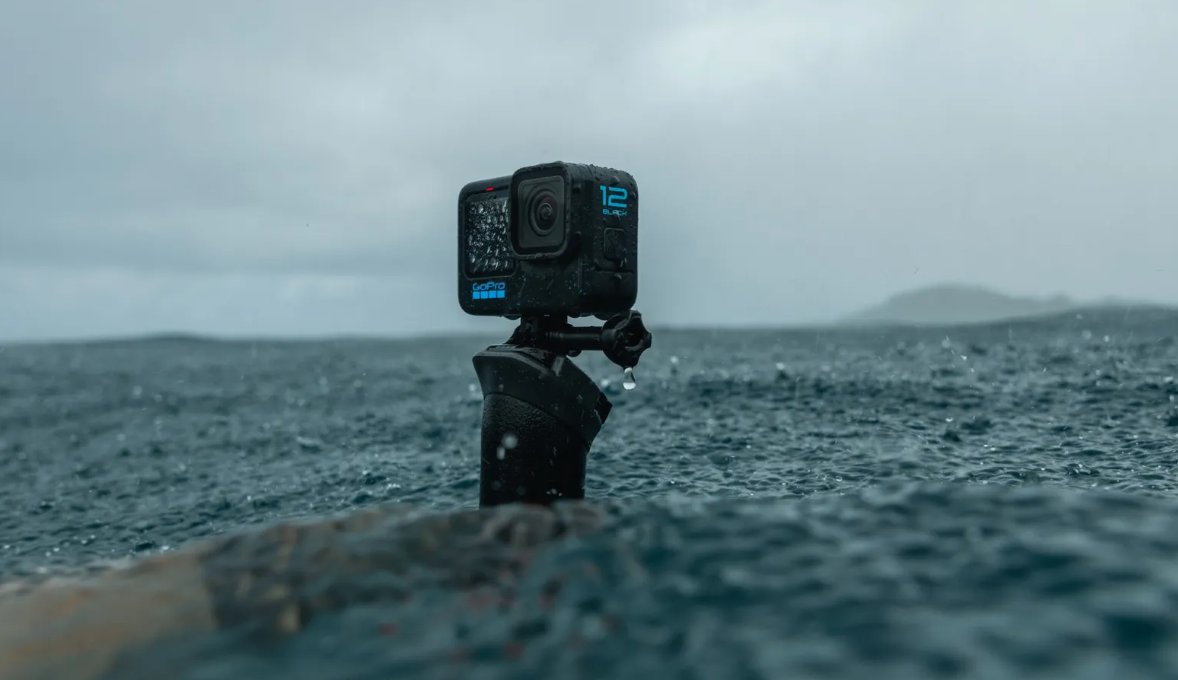
The action camera company has survived a lot over the years. For a while during the 2010s, the term “GoPro killer” was almost as common as “Tesla killer” or “iPhone killer,” with people claiming that everything from a TomTom action camera to Google’s Clips (remember that?) would dethrone the California company that invented the category.
However, survival doesn’t necessarily mean success, and GoPro has been struggling lately. Sales are down, losses are mounting, and the stock price was pretty much flat at about $1 two years ago. So surprisingly, last month GoPro announced a plan to “explore opportunities in the defense and aerospace markets.”
That makes some sense for a company that combines premium image quality with enough durability to withstand a motorcycle crash or a fall from space. And the focal point was enough to nearly double the company’s share price for a few days. But that, too, has fallen back to Earth. Looks like the “pivot to defense” idea isn’t as bulletproof as GoPro’s cameras, after all.
You can probably guess where this is going. On Thursday, GoPro announced it hired investment bank Houlihan Lokey to help evaluate a “potential sale and other strategic alternatives.” The company’s board said it recently received “several unsolicited inbound strategic inquiries from parties across various sectors, including defense, consumer and financial,” which is a lot of words to effectively say, “Uh-uh.”
This isn’t the first time GoPro has considered a sale; founder and CEO Nick Woodman was that card on the table back in 2018.
But now it is definitely more serious for the company. Not only is its financial situation worsening, the company announced last month that it is laying off a quarter of its workforce, which has already shrunk to just over 600 workers after once employing as many as 1,500.
GoPro was a tech darling 15 years ago. But like so many of us, it now finds itself navigating a more volatile world. It’s no surprise that a massively ballooning Pentagon budget looks like a viable path through churn.
When you buy through links in our articles, we may earn a small commission. This does not affect our editorial independence.