
Do you feel in your body and not sure what is behind it? You are not alone, especially in midlife. While lifestyle and genetics play a role, an important (and often overlooked) factor can be perimenopause.
Perimenopause is the transition up to menopause, typically starting in the 40s and lasting about four years (1). During this time, changing hormones can affect everything from metabolism and body composition to energy levels and your menstrual cycle (1,2). While you can’t control exactly when menopause begins, you can influence how you feel through it.
From hot flashes and weight changes to mood swings and bone loss, the symptoms can be challenging (1,2). But there is good news. Nutrition can make a meaningful difference in how you feel, and it’s something you can work on from the comfort of your own home (3). The right foods can help support your body, improve how you feel from day to day, and ease the transition (4).
Read on for science-backed tips on what to eat to better navigate perimenopause.
Food to eat during perimenopause
There is no one food that has superpowers to eliminate some of the less pleasant symptoms that come with perimenopause. However, there are foods that can support how you feel during this phase and help you feel empowered in your own skin (3,5). In addition, the right foods can help improve nutrient deficiencies while offering important nutrients that support one’s mood, bone density, and even reduce hot flashes (4,6).
Here’s a closer look at the key players when it comes to supporting your perimenopause diet, one bite at a time.
Protein-rich foods
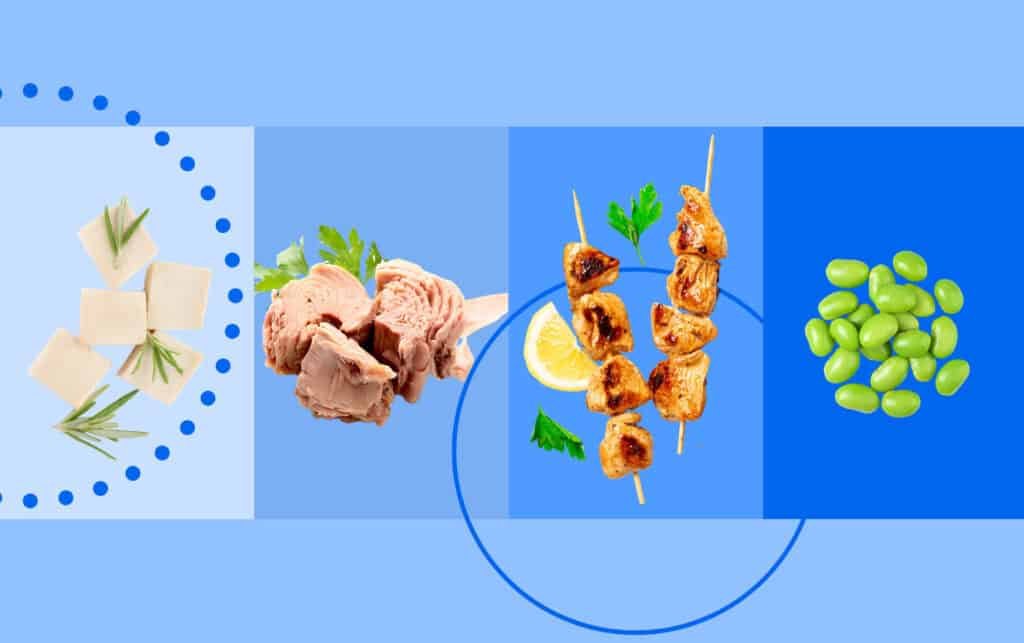
There’s a reason why protein is all the rage, especially among middle-aged women. Research shows that protein plays a key role in maintaining lean body mass and can help prevent weight gain during perimenopause when consumed as part of a calorie-controlled diet (3). In fact, protein needs remain higher than national recommendations, with guidelines encouraging 1.0-1.2 grams/kilogram of body weight for women at this stage of life (3).
“The good news is that there are a number of plant and animal protein sources that fit the bill here,” shares MyFitnessPal dietitian Brookell White. She continues, “And surprisingly, plant proteins can be superb when it comes to managing hot flashes and protecting our heart health (7).” Consider adding these protein-rich foods to your weekly shopping.
- Plant protein: Beans, edamame, lentils, peas, soybeans, tofu, tempeh
- Animal protein: Lean red meat and pork, chicken breast, turkey cutlets, salmon, prawns, tuna
Fiber-rich foods
From whole grains to fruits and vegetables, the more the merrier when it comes to fiber-rich foods throughout the lifespan. Especially when we look at perimenopause, the role of fiber in heart health can have a prominent effect (8). During perimenopause, estrogen fluctuations can cause blood cholesterol to rise, increasing the risk of heart disease and stroke (1).
High-fiber foods may offer support for this increased risk, helping to improve heart health by lowering blood pressure and reducing blood cholesterol when foods high in soluble fiber, such as beta-glucan, found in grains like oats, are included in the diet (8,9). Plus, many foods that contain fiber also pack some of the other nutrients research has found to support perimenopause, including vitamin C, B vitamins, and calcium (3).
Some other fiber foods to add include:
- Fruits: Avocados, apples, bananas, berries, pears, peaches, prunes
- Vegetables: Leafy greens, cauliflower, carrots, Brussels sprouts, sweet potatoes, artichokes
- Whole grains: Amaranth, buckwheat, bulgur, farro, oats, quinoa, rye, wheat
- Pulses: Beans, lentils, peas

Healthy fats: Omega-3 fatty acids
Hormonal fluctuations during perimenopause can take your emotions on a roller coaster ride you don’t necessarily want to be on. In fact, research shows that the incidence of depression can increase in both perimenopause and postmenopause (10). Fortunately, the same research shows that a healthy diet can be proactive against depressive risk, while an unhealthy diet can increase the risk (10).
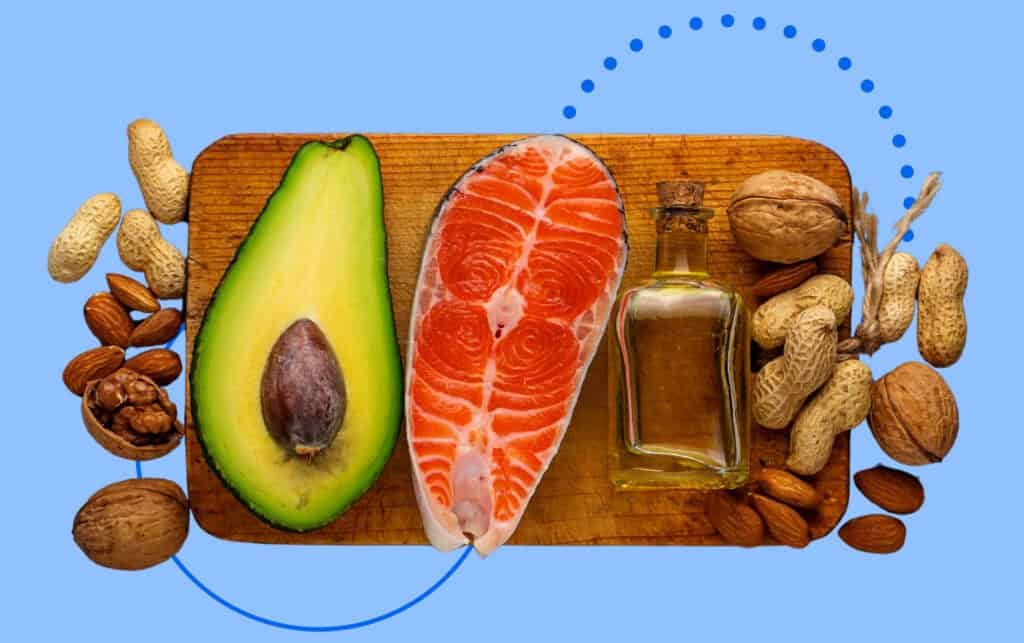
One such healthy food we know supports mental health: omega-3 fatty acids (11). Research shows that the omega-3s known as EPA (eicosapentaenoic acid) and DHA (docosahexaenoic acid) can improve brain function, which in turn supports mental health and lowers the risk of depression (11,12).
Increase your intake of the omega-3s EPA and DHA by focusing on the following foods and/or consider a dietary supplement.
- Omega-3 rich foods (13):
- Fish and shellfish: Salmon, anchovies, mackerel, herring, tuna, sardines
- Fortified foods: Eggs, milk, yogurt, juice, and some plant-based milks
Calcium and vitamin D rich foods
Both calcium and vitamin D are nutrients of public health concern, meaning that most Americans, on average, don’t get enough of them (14). The problem with this is that they both play a vital role in maintaining bone health (15,16). They work together, meaning that vitamin D must be present to help the body absorb calcium (16).
As perimenopause approaches, bone health becomes more of a concern as the increased risk of developing osteoporosis develops (1). This primarily stems from the decreased estrogen in the body, which can cause bone loss (17). Focusing on eating more calcium and vitamin-D rich foods can help support your body during this transition.
Here are some great food choices to add to your diet:
- Foods with calcium: Yoghurt, sardines, milk, mozzarella, fortified juice and soy milk, tofu, breakfast cereal
- Foods with vitamin D: salmon, enriched eggs, breakfast cereals, enriched milk, mushrooms
What to limit during perimenopause
Certain foods can support you through perimenopause, while others, especially less nutrient-dense choices, can exacerbate symptoms (18). This is not about cutting anything out completely (I also have a sweet tooth), but about being more aware of how often and how much you get. The goal is moderation, not elimination.
Here are a few categories to keep an eye on, along with ways to enjoy them more mindfully (18):
- Alcoholic beverages
- Caffeinated foods and beverages
- Added sugar
- Saturated fat
- Sodium

Tips for managing perimenopause symptoms
There is no magic pill that will help eliminate the symptoms forever, but there are things you can do to help you feel like yourself again. Remember these and give them a try today!
- Eat balanced, regular meals.
Focus on filling half your plate with vegetables, one quarter protein and one quarter complex carbohydrates.
You cannot drive on empty. Go to bed half an hour earlier, disconnect from your phone and dim the lights.
- Make time for daily movement.
You don’t have to sign up for a gym class if you don’t enjoy it. Find the movement you enjoy and fit it in daily.
- Focus on stress management.
Finding ways to deal with daily stressors can significantly improve your mental health. Do you like roller skating? Knit? Whatever helps you decompress, lean into it when life feels tough.
- Keep in touch with your daily intake.
Knowing what you put into your body can help you understand patterns and where you can improve. Using an app like MyFitnessPal is an easy tool to help you without requiring you to do the math!
Bottom line
Perimenopause can bring changes you didn’t expect, but how you nourish your body can make a real difference in how you feel from day to day. By focusing on balanced meals rich in protein, fiber, healthy fats, and important nutrients like calcium and vitamin D, you can better support your body through this transition (3). Limiting less nutrient-dense foods, such as alcohol, caffeine, added sugar, saturated fat, and sodium, is also helpful in managing symptoms (18). Think moderation, not deprivation.
Small, consistent habits add up, and tools like MyFitnessPal can help you stay aware of your intake, identify patterns, and build a routine that works for you.